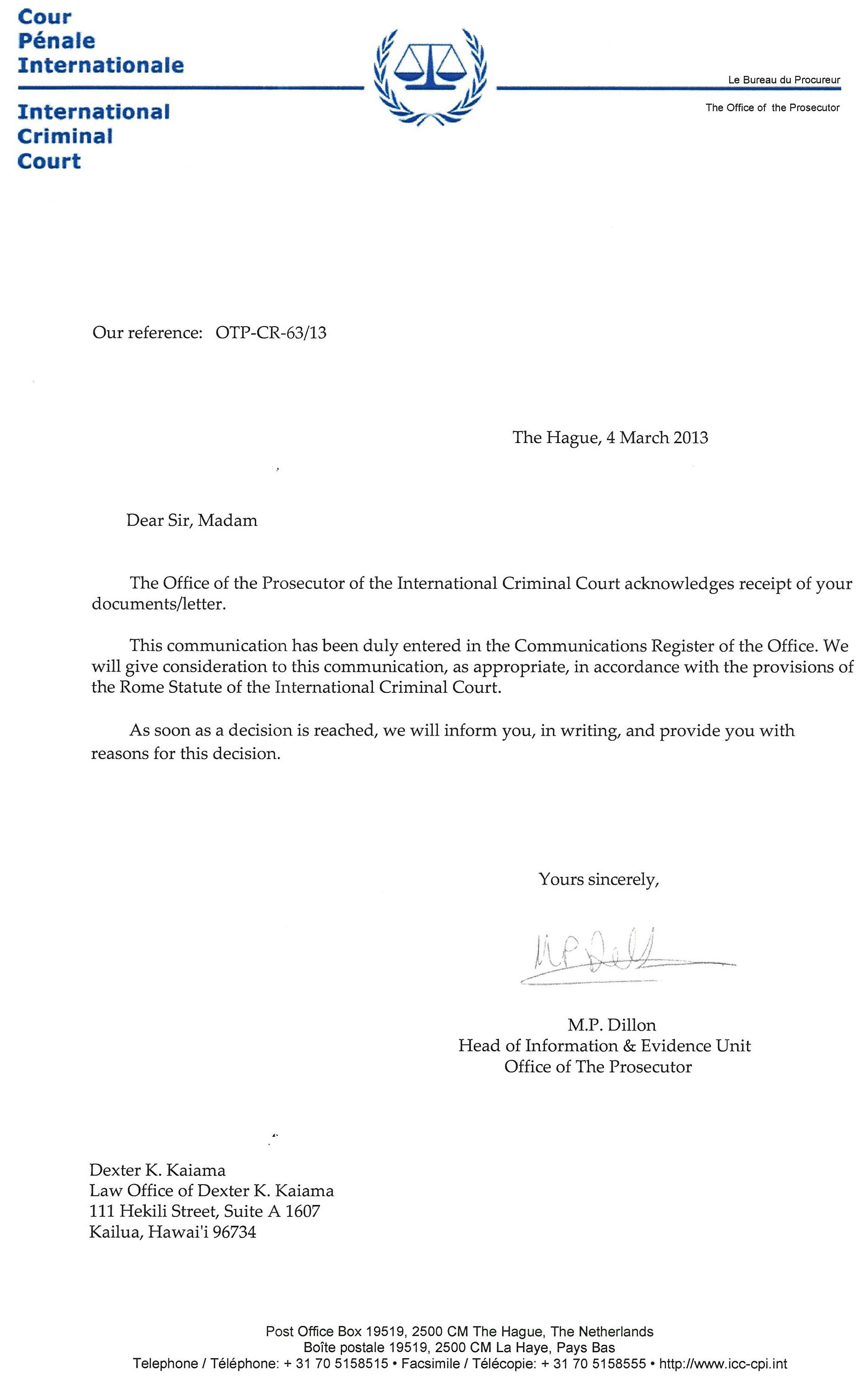
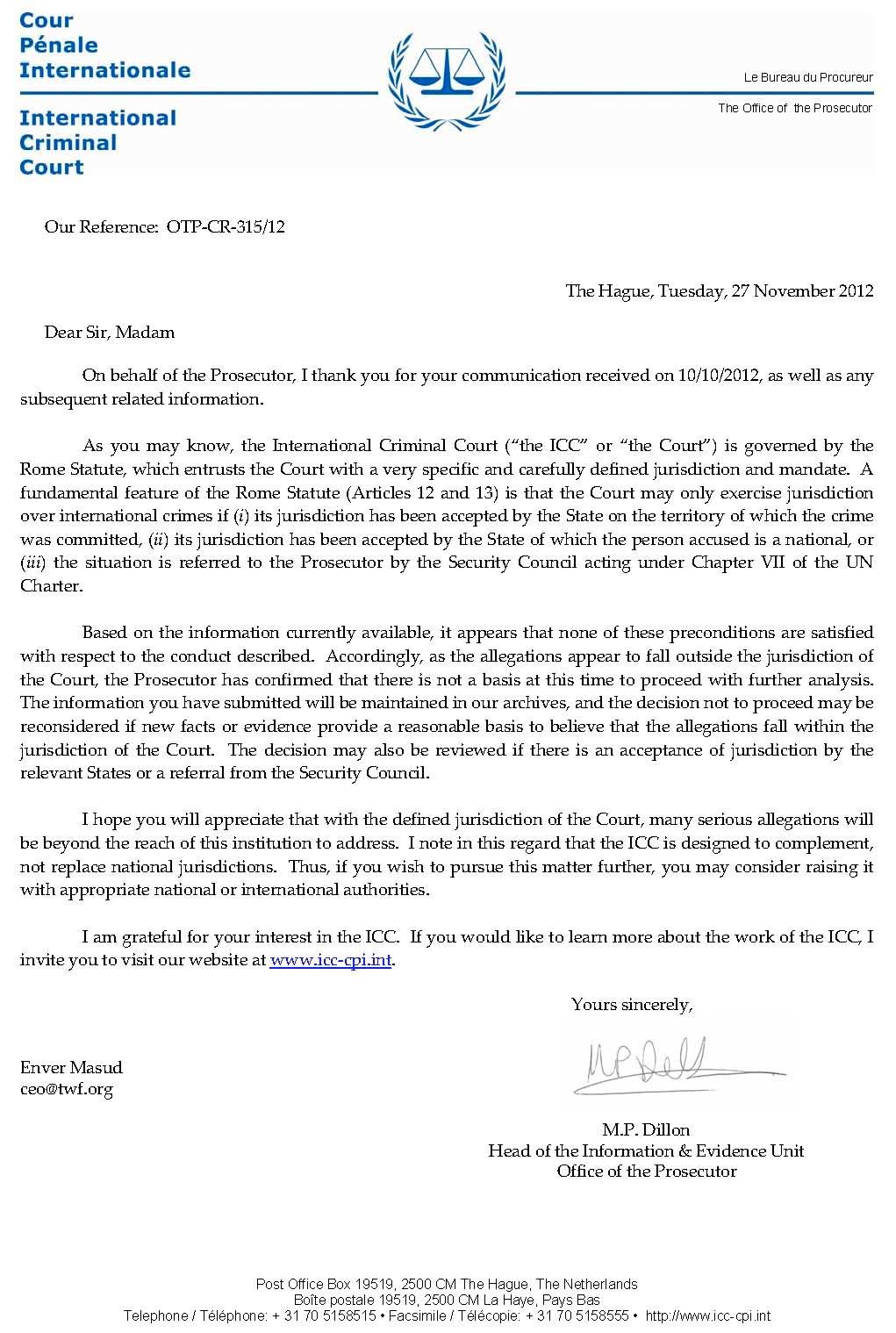
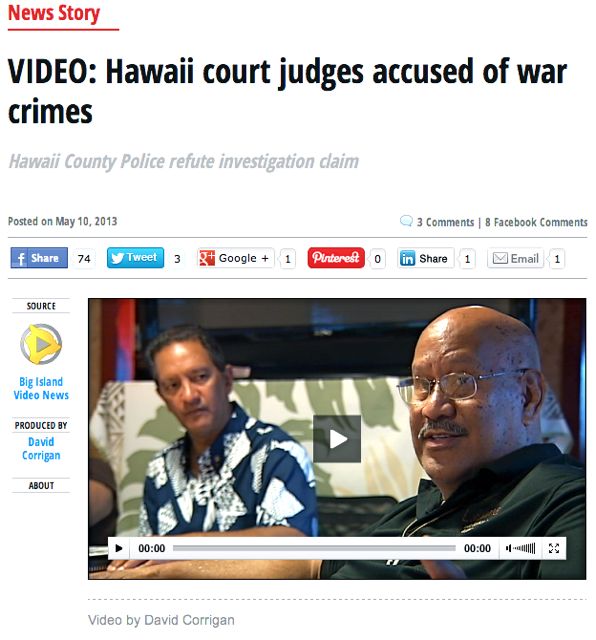
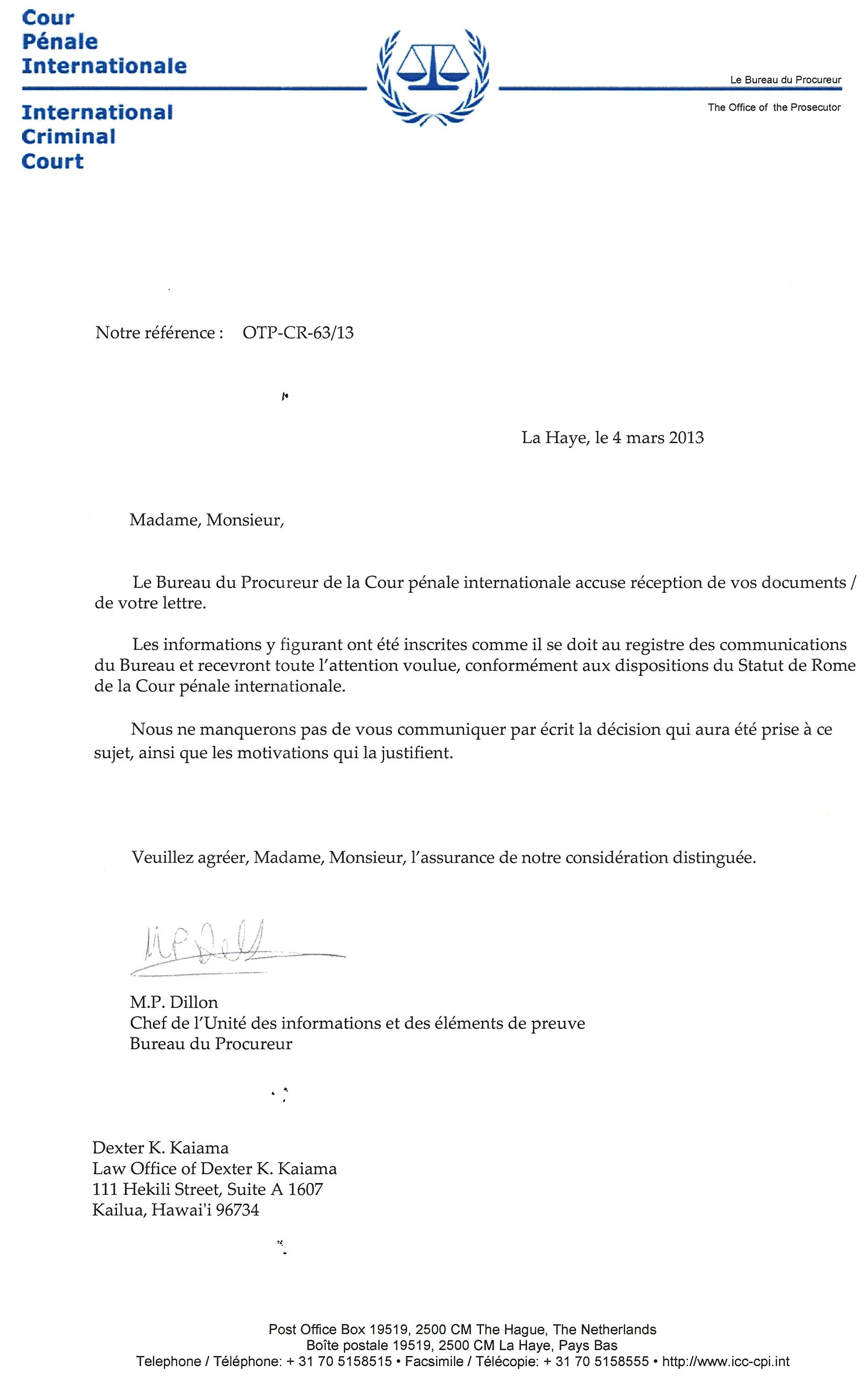
We’ve received many inquiries requesting commentary on the Polynesian Kingdom of Atooi because of the recent news conference at the United Nations Indigenous Forum as well as local news coverage. The purpose for this blog entry is to correct historical inaccuracies especially in light of legal matters now before the United Nations General Assembly, the International Criminal Court, and State of Hawai‘i Courts.
The term “Atooi” is not a Hawaiian word, but rather a British word spelled out with British phonics. The word “Attooi” was first uttered by the crew of Captain James Cook’s Third Voyage when his ships arrived in the Islands in 1778. Today we call these islands the Hawaiian Islands, but in 1778 there were four separate and distinct kingdoms: Islands of Kaua‘i and Ni‘ihau under Ka‘eo; Islands of O‘ahu and Molokai under Kahahana; Islands of Maui, Lanai and Kaho‘olawe under Kahekili; and the Island of Hawai‘i under Kalaniopu‘u.
Cook was tasked by the British Admiralty to map the Pacific Islands and find the northwest passage that could link the north Pacific Ocean with the north Atlantic Ocean. Cook was not only a British explorer, but also cartographer, which is a map maker. Cook sailed north from the Island of Borabora in the Society Islands on December 9, 1777 and came upon the Island of O‘ahu on a Sunday on January 19, 1778, and soon after came upon the island of Kaua‘i the next day. His first encounter with the natives in canoes took place off the coast of Kaua‘i, where they bartered fish and vegetables for nails and iron. According to Cook’s journal (p. 221), “Their language differed from that of every other people we had before visited; but we had learnt to converse by signs, and very soon made ourselves understood.” It was probably at this point that the natives were asked what was the name of the island in order to map it, and to the British ear they spelt what they heard using British phonics–Atooi (Kaua‘i). It wasn’t until after 1820 that Hawaiian phonics was formally established through collaboration of the missionaries and Hawaiian chiefs.
The first publication of the island names using British phonics was published in London in 1781 titled “Journal of Captain Cook’s Last Voyage to the Pacific Ocean on Discovery,” identifying the Island of Hawai‘i as “O-why-e,” the Island of Maui as “Maw-whee,” the Island of O‘ahu as “O-aa-ah,” and the island of Ni‘ihau as “Ne-hu.” Three years later, the island names were refined using British phonics in the first map of the islands published in London in 1784. On this map the islands were named oWhyhee (Hawai‘i), Mowee (Maui), Tahoorowa (Kaho‘olawe), Ranai (Lanai), Morotoi (Molokai), Woahoo (O‘ahu), Atooi (Kaua‘i), and Oneeheow (Ni‘ihau). Later maps using the British names of the islands were published in the French and German languages.
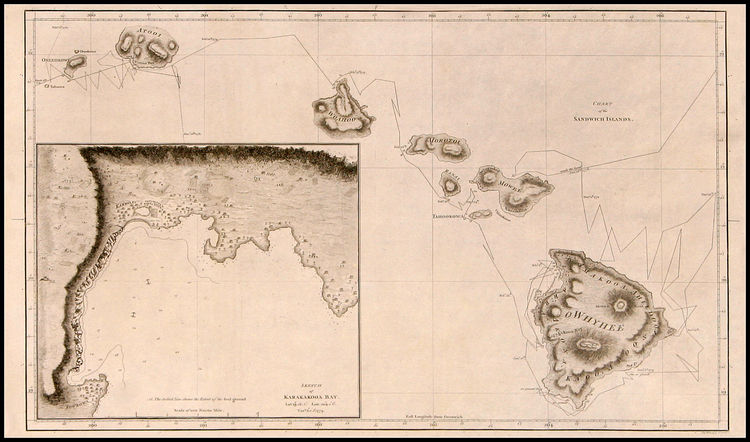
On the Polynesian Kingdom of Atooi website, it is claimed that “Atooi” is translated in the native language to mean “Light of God,” but this is not correct because “Atooi” is not a Hawaiian word, but rather a British version of a Hawaiian word spelled using British phonics. The website also claims “Atooi was the ancient name for, Hawaii, the head [po’o] of the Polynesian Triangle.” This is also not correct because the word is not ancient, but rather a British invention by Captain Cook’s crew.
It has also been commonly stated that Kaua‘i was never conquered by Kamehameha. Yes this is true, but it was conquered by Ka‘ahumanu who was serving at the time as Regent while Kamehameha II was in London. After Kahekili invaded and conquered the O‘ahu Kingdom in 1783, there were no longer four separate kingdoms, but now three. In 1795, Kamehameha, successor to Kalaniopu‘u, invaded and conquered the Maui Kingdom, and in 1810, Kaumuali‘i, successor to Ka‘eo of the Kaua‘i Kingdom, peacefully acknowledged Kamehameha as his superior, thereby consolidating all of the former kingdoms into the Kingdom of the Sandwich Islands. On August 8, 1824, the Kaua‘i chiefs unsuccessfully rebelled under the leadership of George Humehume, successor and son of Kaumuali‘i, the late King of Kaua‘i. Humehume was removed to the Island of O‘ahu under the watch of Kalanimoku, the Prime Minister, and all of the Kaua‘i chiefs were dispersed throughout the islands and the lands were seized by Hawai‘i Islands chiefs.
Additional blog entries will address misinformation on the Hawaiian national flag, the United Nations Forum on Indigenous Peoples, and the United Nations list of non-self-governing territories.