To listen to the interview click here.

To listen to the interview click here.
The Star Advertiser reports “Interior Department meetings draw testimony opposed to recognition of a future native nation“
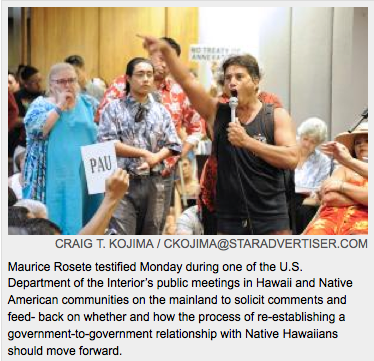 The vast majority of people who testified before a federal panel Monday soundly rejected any attempt by the Obama administration to pursue federal recognition of a future Native Hawaiian governing body.
In often passionate, sometimes heated testimony, dozens of speakers said they opposed any effort by the Department of the Interior to start a rule-making process that could set the framework for re-establishing a government-to-government relationship with Native Hawaiians.
At the first two of 15 public meetings scheduled over the next two weeks, most of those testifying said the department does not have the authority to re-establish that relationship and implored the agency to halt the process and not interfere in Hawaiians’ right to political self-determination.
“We don’t need you folks to come in and tell us what to do,” Hawaiian activist Dennis “Bumpy” Kanahele told the panel Wednesday morning at the state Capitol auditorium.
He expanded on those remarks at an evening meeting in Waimanalo, where 154 people signed up to speak.
“You gotta realize that a crime has taken place,” Kanahele said. “And the United States essentially came back to the crime scene. We need to decide how to govern ourselves. We don’t need the federal government.”
At the evening session he was followed by Brandon Maka‘awa‘awa of Waimanalo.
“In the past the Native Hawaiian people have suffered the manipulation of our rights to self-determination on numerous occasions,” he said. “Once again our inherent sovereignty and rights to self-determination are being undermined by these DOI meetings. It is our political right to govern ourselves. The Native Hawaiian people have already begun the process and should be allowed to finish it without the interference of the U.S. government.”
Many of the speakers said they are not interested in seeing Hawaiians attain a tribal status similar to American Indians, which was what backers of the so-called Akaka Bill in Congress unsuccessfully attempted to do for more than a decade.
They said Hawaii is an illegally occupied sovereign nation and that any government-to-government dealings should be between a kingdom government and the U.S. secretary of state, who deals with foreign nations on behalf of the United States, not the interior secretary.
DeMont R.D. Conner of Nanakuli used the analogy of a car theft and the federal government’s 1993 apology for the 1893 overthrow of the Hawaiian monarchy to question the department’s current actions: The thief apologizes to the owner but keeps the car.
“Go back and tell your boss, ‘Give ’em back the car!'” Conner told the panel.
More than 140 people signed up to testify at the Monday morning session, which was attended by an overflow crowd of more than 200 people and lasted more than three hours.
“It’s very simple: You don’t have jurisdiction here,” said testifier Remi Abellira, adding, “We don’t need recognition. We know who we are.”
Over the next two months, the department is taking public comments at the Hawaii sessions and at additional meetings in Native American communities on the mainland. It also is soliciting written comments.
The feedback is meant to help the Obama administration determine whether it should propose a federal rule that would facilitate the process for re-establishing a government-to-government relationship.
It also is soliciting comments to determine what form that process should take — if the administration decides to pursue that path — and whether the federal government should assist the Native Hawaiian community in reorganizing its government.
“Be clear. This is only a first step,” Rhea Suh, the Interior Department’s assistant secretary for policy, management and budget, told those at the morning session.
Suh was one of six officials from that agency and the Justice Department to sit on the panel.
Sam Hirsch, a Justice Department attorney, told the crowd that the federal government does not have procedures in place to pursue administrative recognition of a Native Hawaiian government.
That’s why the meetings are needed should the Interior Department decide to pursue that path, Hirsch said.
But he emphasized that the sessions will not address what structure the yet-to-be-formed Hawaiian government should take.
“That’s a matter for the community” to decide, Hirsch said.
To the main questions asked by the panel, University of Hawaii law professor Williamson Chang offered these comments: “I want to say no, no, no. No to federal recognition, no to occupation, no to the United States.”
Walter Ritte of Molokai testified that the department’s timing couldn’t be worse, particularly as Hawaiians are engaged in a controversial nation-building effort.
“You’re bringing confusion,” he said.
Of the several dozen who testified at the morning session, only a few supported the department’s plan.
Office of Hawaiian Affairs Chairwoman Collette Machado was among those, and her time at the microphone eventually turned into a shouting match with members of the audience.
Davianna Pomaikai McGregor, a UH ethnic studies professor, also offered supporting testimony, saying the process should not interfere with the re-establishment of the kingdom government.
“We should be supporting both efforts,” McGregor told the Honolulu Star-Advertiser after she testified.
Other than occasional jeers from the audience and a few profanity-laced comments, most of the morning session was civil. Some participants came decked in traditional garb or carrying signs, such as “What Tribe Has a Palace.”
Several expressed frustration that the federal government has solicited similar feedback about recognition over the years, yet nothing came of it.
“It’s the same old garbage,” one speaker said.
https://vimeo.com/99015206
Another series in The Sovereignty Conversations titled Na Maka Hosted by Lela Hubbard and Juanita Brown Kawamoto. In this Episode we have a re-cap with Juanita and Professor Williamson Chang of the University of Hawai‘i Richardson School of Law on the United States Department of the Interior’s Native Hawaiian Recognition hearings held at the Hawaii State Capitol on June 23, 2014.
https://vimeo.com/98727591
A conversation with Dr. Ron Williams, Jr. on the Claiming of Christianity in the Hawaiian Kingdom. A provocative look at the Christian Hawaiians and the churches during the times of the Provisional Government. Williams got his Ph.D. in History from the University of Hawai‘i at Manoa.
https://vimeo.com/98826630
A conversation with Dr. Umi Perkins on privatizing land in Hawai‘i. Perkins has a Ph.D. in Political Science from the University of Hawai‘i at Manoa.
https://vimeo.com/98797509
A conversation with Donovan Preza on the genealogy of Hawaiian territoriality. The interweaving between contemporary issues of Hawaiian Sovereignty and Real property. Preza is a Ph.D. student in Geography at the University of Hawai‘i at Manoa.
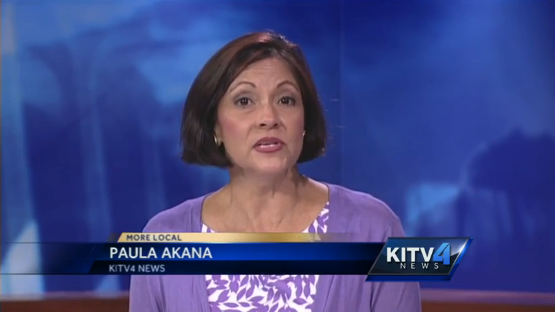
To view KITV news video of the story click here.
HONOLULU —There’s excitement, applause and also some words of caution after the federal government took the first steps toward possibly establishing a government-to-government relationship between the United States and Native Hawaiians.
The federal government says it’s taking its first step toward re-establishing a government-to-government relationship with Native Hawaiians.
The Department of the Interior announced a month long series of meetings with Hawaii residents and they start Monday.
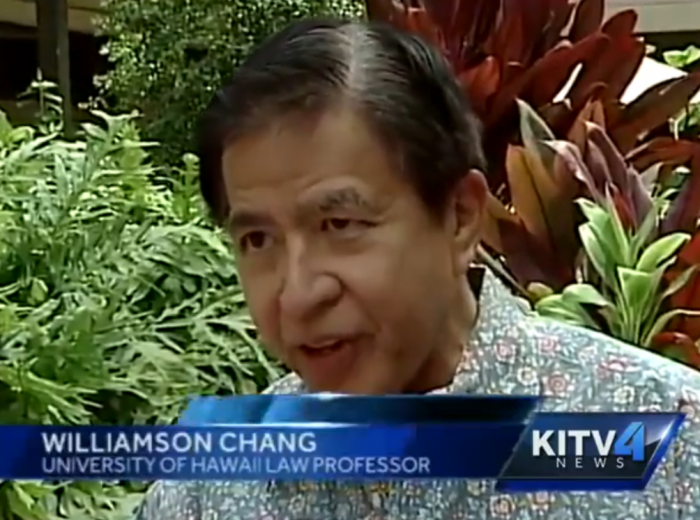
“I think it’s a sign of panic and desperation on the part of the federal government and the Department of Interior,” said Williamson Chang, University of Hawaii law professor.
Under current rules, this can only be done with residents in the lower 48 states. So, the department would first have to change those rules.
Chang says he sees this as being spurred on by the recent letter by Office of Hawaiian Affairs CEO Kamana’o Crabbe to U.S. Secretary of State John Kerry. The letter asked for a legal opinion about Hawaii’s political status under international law.
“So, I think that’s changed the ball game completely. OHA is asking, ‘Are we still a nation?’ And that I think scared them that if there is, this is what’s going on in Hawaii and we have something to worry about,” said Chang.
“Why not go for the sure thing where Hawaiians become like a federally recognized Indian tribe. We know how to deal with them. They’re not going to embarrass us internationally if we do that,” Chang continued.
Chang says they may also be under pressure to do something before President Obama leaves office.
Hawaii’s entire congressional delegation as well as the Governor and OHA’s trustee chair Colette Machado released statements commending the Obama Administration for its commitment to engaging Native Hawaiians in open dialogue.
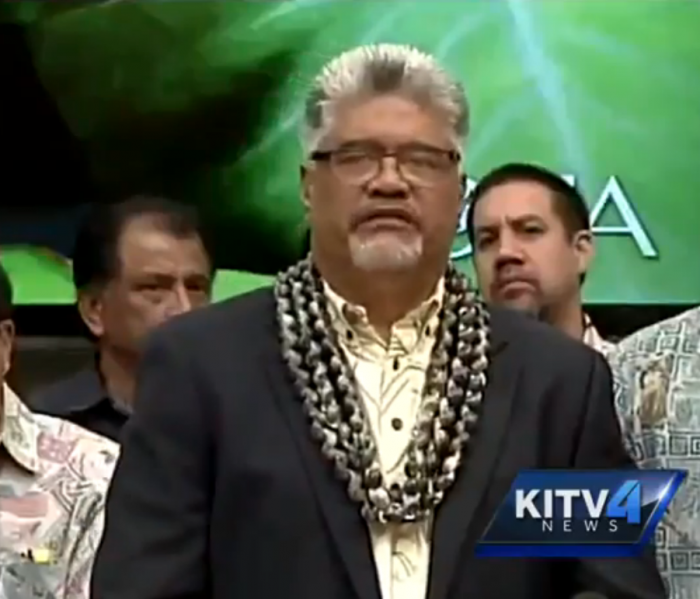 OHA’s Crabbe stated:
“… we see this as only one option for consideration. The decision of whether to walk through the federal door or another will be made by delegates to a Native Hawaiian ‘aha and ultimately by our people. We are committed to keeping all doors open so our people can have a full breadth of options from which to choose what is best for themselves and everyone in Hawai’i.”
Public Meetings in Hawaii – June 23 through July 8
Oahu
Monday, June 23 — Honolulu – 9:00 a.m. to 12:00 p.m.
Hawaii State Capitol Auditorium
Monday, June 23 — Waimanalo – 6:00 p.m. to 9:00 p.m.
Waimanalo Elementary and Intermediate School
Tuesday, June 24 — Waianae Coast – 6:00 p.m. to 9:00 p.m.
Nanaikapono Elementary School
Wednesday, June 25 — Kaneohe – 6:00 p.m. to 9:00 p.m.
Heeia Elementary School
Thursday, June 26 — Kapolei – 6:00 p.m. to 9:00 p.m.
Makakilo Elementary School
Lanai
Friday, June 27 – Lanai City – 6:00 p.m. to 9:00 p.m.
Lanai Senior Center
Molokai
Saturday, June 28 – Kaunakakai – 1:00 p.m. to 4:00 p.m.
Kaunakakai Elementary School
Kauai
Monday, June 30 – Waimea – 6:00 p.m. to 9:00 p.m.
Waimea Neighborhood Center
Tuesday, July 1 — Kapaa – 6:00 p.m. to 9:00 p.m.
Kapaa Elementary School
Hawaii Island
Wednesday, July 2 — Hilo – 6:00 p.m. to 9:00 p.m.
Keaukaha Elementary School
Thursday, July 3 — Waimea – 10:00 a.m. to 1:00 p.m.
Waimea Community Center
Thursday, July 3 — Kona – 6:00 p.m. to 9:00 p.m.
Kealakehe High School
Maui
Saturday, July 5 — Hana – 1:00 p.m. to 4:00 p.m.
Hana High and Elementary School
Monday, July 7 — Lahaina – 6:00 p.m. to 9:00 p.m.
King Kamehameha III Elementary School
Tuesday, July 8 — Kahului – 6:00 p.m. to 9:00 p.m.
Pomaikai Elementary School
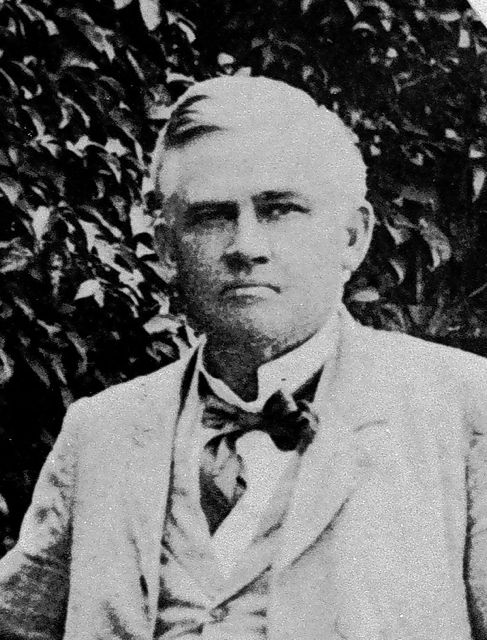 James Blount, who served by appointment of U.S. President Grover Cleveland as a Special Commissioner to investigate the overthrow of the Hawaiian Kingdom government on January 17, 1893, began his investigation in the Hawaiian Islands on April 1. For the next four months Special Commissioner Blount would submit periodic reports to U.S. Secretary of State Walter Gresham in Washington, D.C., which came to be known as the “Blount Reports.” On July 17, 1893, Blount submitted his final report. It was from these reports that Secretary of State Gresham would conclude the investigation and notify the President on October 18, 1893 that “should not the great wrong done to a feeble but independent State by an abuse of the authority of the United States be undone by restoring the legitimate government? Anything short of that will not, I respectfully submit, satisfy the demands of justice.” Here follows a portion of the final report of July 17, 1893 that centers on the insurgents calling themselves the “Committee of Safety” and at the end identifies their nationalities (citizenry).
**************************************************************
Special Commissioner James Blount reported:
Nearly all of the arms on the island of Oahu, in which Honolulu is situated, were in the possession of the Queen’s government. A military force, organized and drilled, occupied the station house, the barracks, and the palace—the only points of any strategic significance in the event of a conflict.
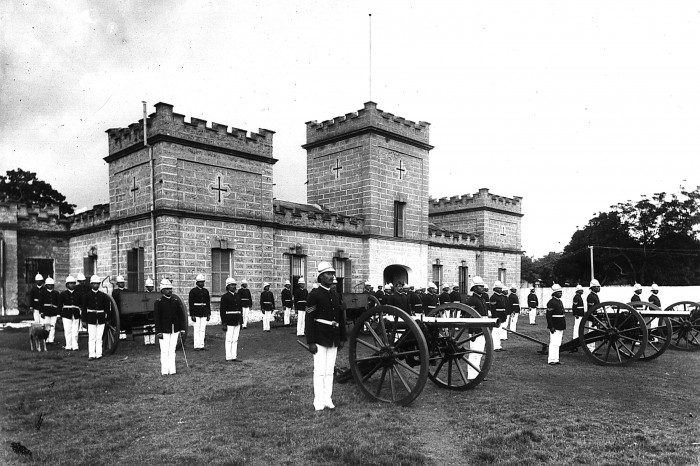
The great body of the people moved in their usual course. Women and children passed to and fro through the streets, seemingly unconscious of any impending danger, and yet there were secret conferences held by a small body of men, some of whom were Germans, some Americans, and some native-born subjects of foreign origin.
On Saturday evening, the 14th of January, they took up the subject of dethroning the Queen and proclaiming a new Government with a view of annexation to the United States.
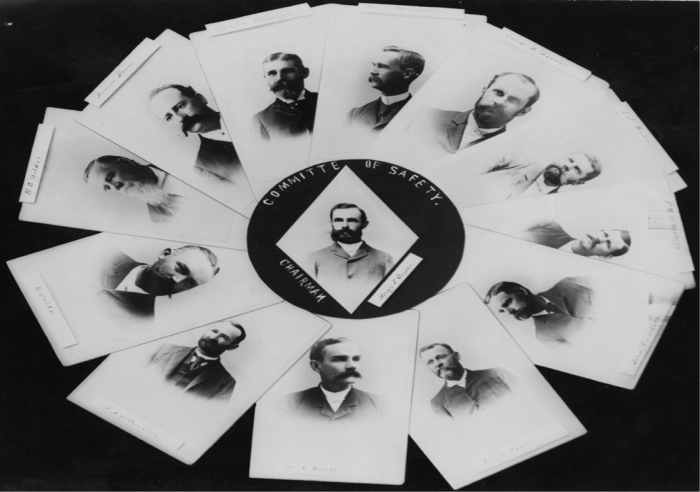
The first and most momentous question with them was to devise some plan to have the United States troops landed. Mr. Thurston, who appears to have been the leading spirit, on Sunday sought two members of the Queen’s cabinet and urged them to head a movement against the Queen, and to ask Minister Stevens to land the troops, assuring them that in such an event Mr. Stevens would do so. Failing to enlist any of the Queen’s cabinet in the cause, it was necessary to devise some other mode to accomplish this purpose. A committee of safety, consisting of thirteen members, had been formed from a little body of men assembled in W. O. Smith’s office. A deputation of these, informing Mr. Stevens of their plans, arranged with him to land the troops if they would ask it “for the purpose of protecting life and property.” It was further agreed between him and them that in the event they should occupy the government building and proclaim a new government he would recognize it. The two leading members of the committee, Messrs. Thurston and Smith, growing uneasy as to the safety of their persons, went to him to know if he would protect them in the event of their arrest by the authorities, to which he gave his assent.
At the mass meeting, called by the committee of safety on the 16th of January, there was no communication to the crowd of any purpose to dethrone the Queen or to change the form of government, but only to authorize the committee to take steps to prevent a consummation of the Queen’s purposes and to have guarantees of public safety. The committee on public safety had kept their purposes from the public view at this mass meeting and at their small gatherings for fear of proceedings against them by the government of the Queen.
After the mass meeting had closed a call on the American minister for troops was made in the following terms, and signed indiscriminately by Germans, by Americans, and by Hawaiian subjects of foreign extraction:
Hawaiian Islands,
Honolulu, January 16, 1395.
To His Excellency John L. Stevens,
American Minister Resident:
SIR: We, the undersigned, citizens and residents of Honolulu, respectfully represent that, in view of recent public events in this Kingdom, culminating in the revolutionary acts of Queen Liliuokalani on Saturday last, the public safety is menaced and lives and property are in peril, and we appeal to you and the United States forces at your command for assistance.
The Queen, with the aid of armed force and accompanied by threats of violence and bloodshed from those with whom she was acting, attempted to proclaim a new constitution; and while prevented for the time from accomplishing her object, declared publicly that she would only defer her action.
This conduct and action was upon an occasion and under circumstances which have created general alarm and terror.
We are unable to protect ourselves without aid, and, therefore, pray for the protection of the United States forces.
Henry B. Cooper,
P.W. McChesney,
W.C. Wilder,
C. Bolte,
A. Brown,
William O. Smith,
Henry Waterhouse,
Theo. F. Lansing,
Ed. Suhr,
L. A. Thurston,
John Emmeluth,
Wm. B. Castle,
J.A. McCandless,
Citizen’s Committee of Safety.
The response to that call does not appear in the files or on the records of the American legation. It, therefore, can not speak for itself. The request of the committee of safety was, however, consented to by the American minister. The troops were landed.
On that very night the committee assembled at the house of Henry Waterhouse, one of its members, living the next door to Mr. Stevens, and finally determined on the dethronement of the Queen; selected its officers, civil and military, and adjourned to meet the next morning.
Col. J. H. Soper, an American citizen, was selected to command the military forces. At this Waterhouse meeting it was assented to by all that Mr. Stevens had agreed with the committee of safety that in the event it occupied the Government building and proclaimed a Provisional Government he would recognize it as a de facto government.
When the troops were landed on Monday evening, January 16, about 5 o’clock, and began their march through the streets with their small arms, artillery, etc., a great surprise burst upon the community. To but few was it understood. Not much time elapsed before it was given out by members of the committee of safety that they were designed to support them. At the palace, with the cabinet, amongst the leaders of the Queen’s military forces, and the great body of the people who were loyal to the Queen, the apprehension came that it was a movement hostile to the existing Government. Protests were filed by the minister of foreign affairs and by the governor of the island against the landing of the troops.
Messrs. Parker and Peterson testify that on Tuesday at 1 o’clock they called on Mr. Stevens, and by him were informed that in the event the Queen’s forces assailed the insurrectionary forces he would intervene.
At 2:30 o’clock of the same day the members of the Provisional Government proceeded to the Government building in squads and read their proclamation. They had separated in their in march to the Government building for fear of observation and arrest. There was no sign of an insurrectionary soldier on the street. The committee of safety sent to the Government building a Mr. A. S. Wilcox to see who was there and on being informed that there were no Government forces on the grounds proceeded in the manner I have related and read; their proclamation. Just before concluding the reading of this instrument fifteen volunteer troops appeared. Within a half hour afterward some thirty or forty made their appearance.
A part of the Queen’s forces, numbering 224, were located at the station house, about one-third of a mile from the Government building. The Queen, with a body of 50 troops, was located at the palace, north of the Government building about 400 yards. A little northeast of the palace and some 200 yards from it, at the barracks, was another body of 272 troops. These forces had 14 pieces of artillery, 386 rifles, and 16 revolvers. West of the Government building and across a narrow street were posted Capt. Wiltse and his troops, these likewise having artillery and small-arms.
The Government building is in a quadrangular-shaped piece of ground surrounded by streets. The American troops were so posted as to be in front of any movement of troops which should approach the Government building on three sides, the fourth being occupied by themselves. Any attack on the Government building from the east side would expose the American troops to the direct fire of the attacking force. Any movement of troops from the palace toward the Government building in the event of a conflict between the military forces would have exposed them to the fire of the Queen’s troops. In fact, it would have been impossible for a struggle between the Queen’s forces and the forces of the committee of safety to have taken place without exposing them to the shots of the Queen’s forces. To use the language of Admiral Skerrett, the American troops were well located if designed to promote the movement for the Provisional Government and very improperly located if only intended to protect American citizens in person and property.
They were doubtless so located to suggest to the Queen and her counselors that they were in cooperation with the insurrectionary movement, and would when the emergency arose manifest it by active support.
It did doubtless suggest to the men who read the proclamation that they were having the support of the American minister and naval commander and were safe from personal harm.
Why had the American minister located the troops in such a situation and then assured the members of the committee of safety that on their occupation of the Government building he would recognize it as a government de facto, and as such give it support? Why was the Government building designated to them as the place which, when their proclamation was announced therefrom, would be followed by his recognition. It was not a point of any strategic consequence. It did not involve the employment of a single soldier.
A building was chosen where there were no troops stationed, where there was no struggle to be made to obtain access, with an American force immediately contiguous, with the mass of the population impressed with its unfriendly attitude. Aye, more than this—before any demand for surrender had even been made on the Queen or on the commander or any officer of any of her military forces at any of the points where her troops were located, the American minister had recognized the Provisional Government and was ready to give it the support of the United States troops!
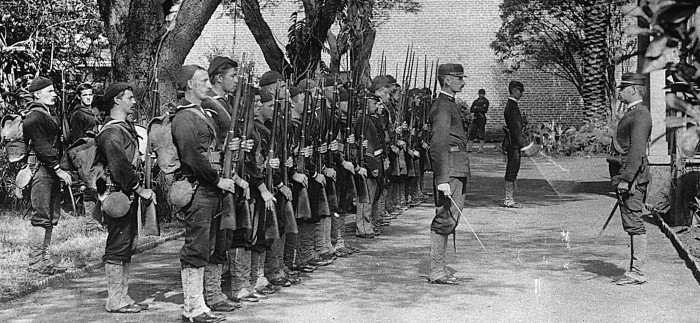
Mr. Damon, the vice-president of the Provisional Government and a member of the advisory council, first went to the station house, which was in command of Marshal Wilson. The cabinet was there located. The vice-president importuned the cabinet and the military commander to yield up the military forces on the ground that the American minister had recognized the Provisional Government and that there ought to be no blood shed.
After considerable conference between Mr. Damon and the ministers he and they went to the government building.
The cabinet then and there was prevailed upon to go with the vice-president and some other friends to the Queen and urge her to acquiesce in the situation. It was pressed upon her by the ministers and other persons at that conference that it was useless for her to make any contest, because it was one with the United States; that she could file her protest against what had taken place and would be entitled to a hearing in the city of Washington. After consideration of more than an hour she finally concluded, under the advice of her cabinet and friends, to order the delivery up of her military forces to the Provisional Government under protest. That paper is in the following form:
I, Liliuokalani, by the grace of God and under the constitution of the Hawaiian Kingdom, Queen, do hereby solemnly protest against any and all acts done against myself and the constitutional Government of the Hawaiian Kingdom by certain persons claiming to have established a provisional government of and for this Kingdom.
That I yield to the superior force of the United States of America, whose minister plenipotentiary, His Excellency John L. Stevens, has caused United States troops to be landed at Honolulu and declared that he would support the said provisional government.
Now, to avoid any collision of armed forces and perhaps the loss of life, I do, under this protest, and impelled by said force, yield my authority until such time as the Government of the United States shall, upon the facts being presented to it, undo the action of its representatives and reinstate me in the authority which I claim as the constitutional sovereign of the Hawaiian Islands.
Done at Honolulu this 17th day of January, A. D. 1893.
Liliuokalani R.
Samuel Parker,
Minister of Foreign Affairs.
Wm H. Cornwell,
Minister of finance.
Jno. F. Colburn,
Minister of the Interior.
A.P. Peterson,
Attorney- General.
All this was accomplished without the firing of a gun, without a demand for surrender on the part of the insurrectionary forces until they had been converted into a de facto government by the recognition of the American minister with American troops, then ready to interfere in the event of an attack.
In pursuance of a prearranged plan, the Government thus established hastened off commissioners to Washington to make a treaty for the purpose of annexing the Hawaiian Islands to the United States.
During the progress of the movement the committee of safety, alarmed at the fact that the insurrectionists had no troops and no organization, dispatched to Mr. Stevens three persons, to wit, Messrs. L. A. Thurston, W. C. Wilder, and H. F. Glade, “to inform him of the situation and ascertain from him what if any protection or assistance could be afforded by the United States forces for the protection of life and property, the unanimous sentiment and feeling being that life and property were in danger.” Mr. Thurston is a native-born subject; Mr. Wilder is of American origin, but has absolved his allegiance to the United States and is a naturalized subject; Mr. Glade is a German subject.
The declaration as to the purposes of the Queen contained in the formal request for the appointment of a committee of safety in view of the facts which have been recited, to wit, the action of the Queen and her cabinet, the action of the Royalist mass meeting, and the peaceful movement of her followers, indicating assurances of their abandonment, seem strained in so far as any situation then requiring the landing of troops might exact.
The request was made, too, by men avowedly intending to overthrow the existing government and substitute a provisional government therefor, and who, with such purpose in progress of being effected, could not proceed therewith, but fearing arrest and imprisonment and without any thought of abandoning that purpose, sought the aid of the American troops in this situation to prevent any harm to their persons and property. To consent to an application for such a purpose without any suggestion dissuading the applicants from it on the part of the American minister, with naval forces under his command, could not otherwise be construed than as complicity with their plans.
The committee, to use their own language, say: “We are unable to protect ourselves without aid, and, therefore, pray for the protection of the United States forces.”
In less than thirty hours the petitioners have overturned the throne, established a new government, and obtained the recognition of foreign powers.
Let us see whether any of these petitioners are American citizens, and if so whether they were entitled to protection, and if entitled to protection at this point whether or not subsequently thereto their conduct was such as could be sanctioned as proper on the part of American citizens in a foreign country.
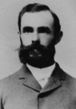 Mr. Henry E. Cooper is an American citizen; was a member of the committee of safety; was a participant from the beginning in their schemes to overthrow the Queen, establish a Provisional Government, and visited Capt. Wiltse’s vessel, with a view of securing the aid of American troops, and made an encouraging report thereon. He, an American citizen, read the proclamation dethroning the Queen and establishing the Provisional Government.
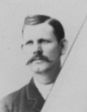
Mr. F. W. McChesney is an American citizen; was cooperating in the revolutionary movement, and had been a member of the advisory council from its inception.
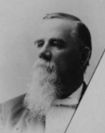
Mr. W. C. Wilder is a naturalized citizen of the Hawaiian Islands, owing no allegiance to any other country. He was one of the original members of the advisory council, and one of the orators in the mass meeting on the morning of January 16.
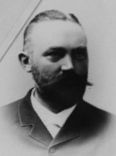
Mr. C. Bolte is of German origin, but a regularly naturalized citizen of the Hawaiian Islands.
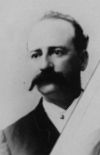
Mr. A. Brown is a Scotchman and has never been naturalized.
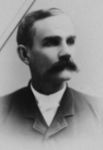
Mr. W. O. Smith is a native of foreign origin and a subject of the Islands.
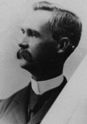
Mr. Henry Waterhouse, originally from Tasmania, is a naturalized citizen of the islands.
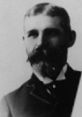
Mr. Theo. F. Lansing is a citizen of the United States, owing and claiming allegiance thereto. He has never been naturalized in this country.
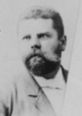
Mr. Ed. Suhr is a German subject.
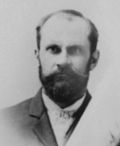
Mr. L. A. Thurston is a native-born subject of the Hawaiian Islands, of foreign origin.
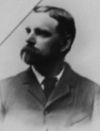
Mr. John Emmeluth is an American citizen.
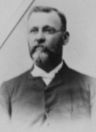
Mr. W. it Castle is a Hawaiian of foreign parentage.
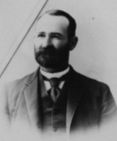
Mr. J. A. McCandless is a citizen of the United States—never having been naturalized here.
Six are Hawaiians subjects; five are American citizens; one English, and one German. A majority are foreign subjects.
It will be observed that they sign as “Citizens’ committee of safety.”
This is the first time American troops were ever landed on these islands at the instance of a committee of safety without notice to the existing government.
It is to be observed that they claim to be a citizens’ committee of safety and that they are not simply applicants for the protection of the property and lives of American citizens.
The chief actors in this movement were Messrs. L. A. Thurston and W.O. Smith.
 The Hawaiian sovereignty movement appears to have grown out of a social movement in the islands in the mid-20th century. According to one scholar, Professor Lawrence Fuchs’ Hawai‘i Pono: A Social History (1961), p. 68, “the essential purpose of the haole [foreigner] elite for four decades after annexation was to control Hawai‘i; the major aim for the lesser haoles was to promote and maintain their privileged position…Most Hawaiians were motivated by a dominant and inclusive purpose—to recapture the past.”
Native Hawaiians were experiencing a sense of revival of Hawaiian culture, language, arts and music—euphoria of native Hawaiian pride. Momi Kamahele in her article, Ilio‘ulaokalani: Defending Native Hawaiian Culture, Amerasia Journal (2000), p. 40, states that “the ancient form of hula experienced a strong revival as the Native national dance for our own cultural purposes and enjoyment rather than as a service commodity for the tourist industry.” The sovereignty movement also resulted in the revitalization of  “the Hawaiian language through immersion education.” John Dominis Holt, author of the 1964 book On Being Hawaiian (1995), p. 7, is credited for igniting the resurgence of native Hawaiian consciousness.
“I am a part-Hawaiian who has for years felt troubled concern over the loss of Hawaiianness or ethnic consciousness among people like ourselves. So much that came down to us was garbled or deliberately distorted. It was difficult to separate truth from untruth; to clarify even such simple matters for many among us as the maiden name of a Hawaiian grandmother, let alone know anything at all of the Hawaiian past.”
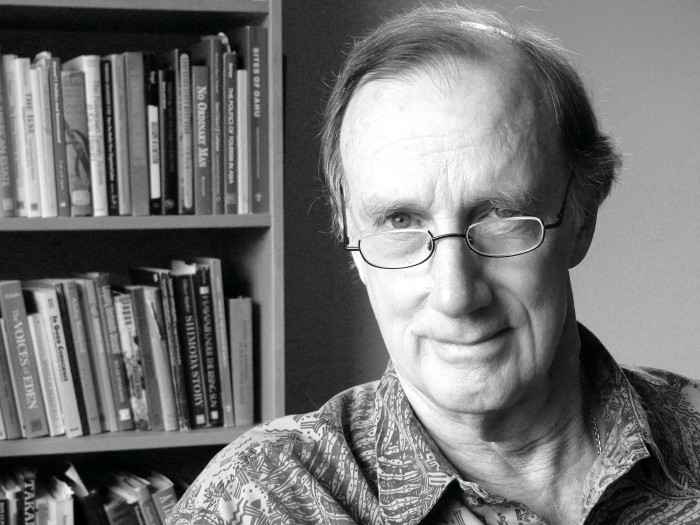 Tom Coffman, Nation Within (1999), p. xii, explained that when he “arrived in Hawai‘i in 1965, the effective definition of history had been reduced to a few years. December 7, 1941, was practically the beginning of time, and anything that might have happened before that was prehistory.” Coffman admits that when he wrote his first book in 1970 he used Statehood in 1959 as an important benchmark in Hawaiian history. The first sentence in chapter one of this book reads, the “year 1970 was only the eleventh year of statehood, so that as a state Hawai‘i was still young, still enthralled by the right to self-government, still feeling out its role as America’s newest state.” He recollected in a another book, Catch a Wave: A Case Study of Hawai‘i’s New Politics (1973), p. 1:
“Many years passed before I realized that for Native Hawaiians to survive as a people, they needed a definition of time that spanned something more than eleven years. The demand for a changed understanding of time was always implicit in what became known as the Hawaiian movement or the Hawaiian Renaissance because Hawaiians so systematically turned to the past whenever the subject of Hawaiian life was glimpsed.”
The native Hawaiian community had been the subject of extreme prejudice and political exclusion since the United States imposed its authority in the Hawaiian Islands in 1898, and the history books that followed routinely portrayed the native Hawaiian as passive and inept. Holt explained, p. 7, that after the overthrow of the Hawaiian Kingdom the self respect of native Hawaiians had been “undermined by carping criticism of ‘Hawaiian beliefs’ and stereotypes concerning our being lazy, laughing, lovable children who needed to be looked after by more ‘realistic’ adult-oriented caretakers came to be the new accepted view of Hawaiians.” This stereotyping became institutionalized, and is evidenced in the writings by Professor Gavan Daws, an American historian, who wrote in 1974, Shoal of Time, p. 291:
 The Hawaiians had lost much of their reason for living long ago, when the kapus were abolished; since then a good many of them had lost their lives through disease; the survivors lost their land; they lost their leaders, because many of the chiefs withdrew from politics in favor of nostalgic self-indulgence; and now at last they lost their independence. Their resistance to all this was feeble. It was almost as if they believed what the white man said about them, that they had only half learned the lessons of civilization.
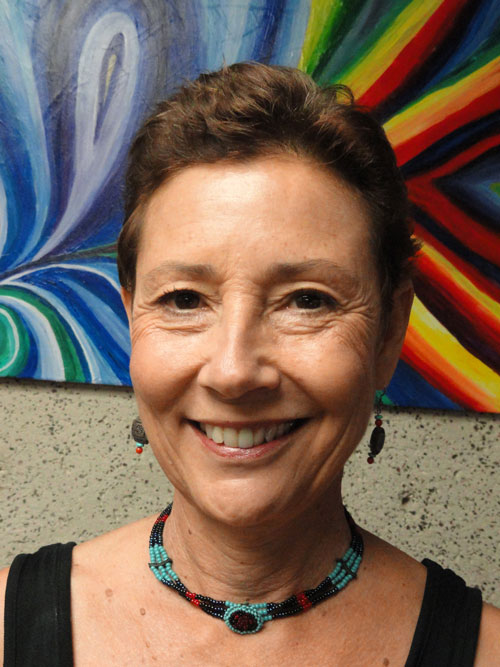 Although the Hawaiian Renaissance movement originally had no clear political objectives, it did foster a genuine sense of inquiry and thirst for an alternative Hawaiian history that was otherwise absent in contemporary history books. Professor Noenoe Silva’s Aloha Betrayed: Native Hawaiian Resistance to American Colonization (2004), p. 3, a political scientist, states, “When the stories can be validated, as happens when scholars read the literature in Hawaiian and make the findings available to the community, people begin to recover from the wounds caused by that disjuncture in their consciousness.”
As a result, Native Hawaiians began to draw meaning and political activism from a history that appeared to parallel other native peoples of the world who had been colonized, but the interpretive context of Hawaiian history was, at the time, primarily 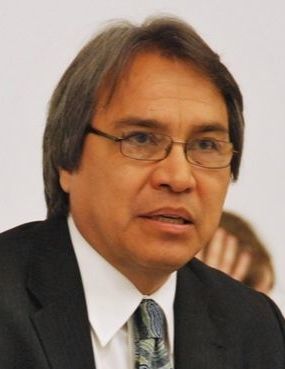 historical and not legal. State sovereignty and international laws were perceived not as a benefit for native peoples, but were seen as tools of the colonizer. According to Professor James Anaya’s Indigenous Peoples in International Law (2000), p. 22, who specializes in the rights of indigenous peoples, “international law was thus able to govern the patterns of colonization and ultimately to legitimate the colonial order.”
Following the course Congress set in the 1971 Alaska Native Claims Settlement Act, under which “the United States returned 40 million acres of land to the Alaskan natives and paid $1 billion cash for land titles they did not return,” it became common practice for Native Hawaiians to associate themselves with the plight of Native Americans and other ethnic minorities throughout the world who had been colonized and dominated by Europe or the United States.
 The Hawaiian Renaissance gradually branched out to include a political wing often referred to as the “sovereignty movement,” which evolved into political resistance against U.S. sovereignty. As native Hawaiians began to organize, their political movement “paralleled the activism surrounding the civil rights movement, women’s liberation, student uprisings and the anti-Vietnam War movement,” explained Professor Linda Tuhiwai Smith, Decolonizing Methodologies: Research and Indigenous Peoples (1999), p. 113.
In 1972, an organization called A.L.O.H.A. (Aboriginal Lands of Hawaiian Ancestry) was founded to seek reparations from the United States for its involvement in the illegal overthrow of the Hawaiian Kingdom government in 1893. Frustrated with inaction by the United States it joined another group called Hui Ala Loa (Long Road Organization) and formed Protect Kaho’olawe ‘Ohana (P.K.O.) in 1975. P.K.O. was organized to stop the U.S. Navy from utilizing the island of Kaho’olawe, off the southern coast of Maui, as a target range by openly occupying the island in defiance of the U.S. military. The U.S. Navy had been using the entire island as a target range for naval gunfire since World War II, and as a result of P.K.O.’s activism, the Navy terminated its use of the island in 1994. Another organization called ‘Ohana O Hawai‘i (Family of Hawai‘i), formed in 1974, even went to the extreme measure of proclaiming a declaration of war against the United States of America.
The political movements also served as the impetus for native Hawaiians to participate in the State of Hawai‘i’s Constitutional Convention in 1978, which resulted in the creation of the Office of Hawaiian Affairs (O.H.A.). O.H.A. recognizes two definitions of aboriginal Hawaiian: the term “native Hawaiian” with a lower case “n,” and “Native Hawaiian” with an upper case “N,” both of which were established by the U.S. Congress. The former is defined by the 1921 Hawaiian Homestead Commission Act as “any descendant of not less than one-half part of the blood of the races inhabiting the Hawaiian Islands previous to 1778,” while the latter is defined by the 1993 Apology Resolution as “any individual who is a descendent of the aboriginal people who, prior to 1778, occupied and exercised sovereignty in the area that now constitutes the State of Hawai‘i.” The intent of the Apology resolution was to offer an apology to all Native Hawaiians, without regard to blood quantum, while the Hawaiian Homes Commission Act’s definition was intended to limit those receiving homestead lots to be “not less than one-half” of native Hawaiian descent by blood. O.H.A. states that it serves both definitions of Hawaiian. As a governmental agency, O.H.A.’s mission is to:
“…malama (protect) Hawai‘i’s people and environmental resources and OHA’s assets, toward ensuring the perpetuation of the culture, the enhancement of lifestyle and the protection of entitlements of Native Hawaiians, while enabling the building of a strong and healthy Hawaiian people and nation, recognized nationally and internationally.”
The sovereignty movement created a multitude of diverse groups, each having an agenda as well as varying interpretations of Hawaiian history. Operating within an ethnic or tribal optic stemming from the Native-American movement in the United States, the sovereignty movement in Hawai‘i eventually expanded itself to become a part of the global movement of indigenous peoples who, according to Ivison, Patton & Sanders’ Political Theory and the Rights of Indigenous Peoples (2000), p. 89, reject colonial “arrangements in exchange for indigenous modes of self-determination that sharply curtail the legitimacy and jurisdiction of the State while bolstering indigenous jurisdiction over land, identity and political voice.”
 In her article Settlers of Color and “Immigrant” Hegemony: “Locals” in Hawai‘i, Amerasia (2000), p. 17, Professor Haunani-Kay Trask, an indigenous peoples’ rights advocate, argues that “documents like the Draft Declaration [of Indigenous Human Rights] are used to transform and clarify public discussion and agitation.” Specifically, Trask states that, “legal terms of reference, indigenous human rights concepts in international usage, and the political linkage of the non-self-governing status of the Hawaiian nation with other non-self-governing indigenous nations move Hawaiians into a world arena where Native peoples are primary and dominant states are secondary to the discussion.”
This political wing of the renaissance is not in any way connected to the legal position that the Hawaiian Kingdom continued to exist as a sovereign State under international law, but rather focuses on the history of European and American colonialism and the prospect of decolonization. As a result, sovereignty is not viewed as a legal reality, but a political aspiration.
 According to Professor Noel Kent’s Hawai‘i: Islands under the Influence (1993), p. 198, the “Hawaiian sovereignty movement is now clearly the most potent catalyst for change,” and “during the late 1980s and early 1990s sovereignty was transformed from an outlandish idea propagated by marginal groups into a legitimate political position supported by a majority of native Hawaiians.” The political activism relied on the normative framework of the developing rights of indigenous peoples within the United States and at the United Nations. At both these levels, indigenous peoples were viewed not as sovereign States, but rather non-State nations. According to Corntassel & Primeau’s article Indigenous “Sovereignty” and International Law: Revised Strategies for Pursuing “Self-Determination, Human Rights Quarterly (1995), p. 347, “indigenous peoples were viewed not as sovereign states, but rather ‘any stateless group’ residing within the territorial dominions of existing sovereign states.”
When the General Synod of the United Church of Christ (UCC) passed a resolution “Recognizing the Rights of Native Hawaiians to Self-Governance and Self-determination” in 1991, it was heralded as the beginning of a reconciliatory process between native and non-native Hawaiians for the 1893 overthrow of the Hawaiian Kingdom government. This resolution prompted the President of the UCC, in 1993, to issue a formal apology and committed the church to redress the wrongs done to native  Hawaiians. In Professor Andrew H. Walsh’s Historical Memorandum on the Hawaiian Revolution of 1893 for the UCC’s Sovereignty Project (1992), p. 24, who was commissioned by the UCC’s Sovereignty Project to assist UCC officials in preparing a statement of apology in 1993, found that certain members of the Hawaiian Evangelical Association were complicit in the overthrow of the Hawaiian Kingdom government:
“The Christian church founded by American missionaries in Hawai‘i played no direct role in the Hawaiian Revolution of 1893. The Hawaiian Evangelical Association was, however, clearly under the control of white leaders who backed the revolution and attempted—at some cost—to influence indigenous Hawaiians to accept its outcome. The church’s leaders endorsed the revolution in their correspondence with Congregational officials in the United States and vigorously attempted to enlist American Protestant support for annexation. In addition, several individual ministers of the HEA played active roles as advocates of the revolution to the American public.”
The UCC’s Redress Plan included multi-million dollar reparations and the transference of six parcels of land on five islands to Native Hawaiian churches, the Association of  Hawaiian Evangelical Churches, and the Pu‘a Foundation. Professor Eric Yamamoto, a legal expert in reconciliation, in his book Interracial Justice: Conflict & Reconciliation in Post-Civil Rights America (1999), p. 215, views these reconciliatory efforts by the UCC within the framework of post-colonial theory in post-civil rights America, and focuses on interracial justice for Native Hawaiians within the United States legal system—an approach similar to the “United States’ 1988 apology to and monetary reparations for Japanese Americans wrongfully interned during World War II.” Yamamoto and other contemporary scholars, view the U.S. takeover of the Hawaiian Islands as fait accompli—a history and consequence no different than other colonial takeovers throughout the world of indigenous people and their lands by western powers.
The UCC apology also prompted the Congress to pass a joint resolution in 1993 apologizing only to the Native Hawaiian people, rather than to the entire citizenry of the Hawaiian Kingdom, for the United States’ role in the overthrow of the Hawaiian government. This resolution maintained an indigenous and historically inaccurate focus that implied that only ethnic Hawaiians constituted the kingdom, and fertilized the incipient ethnocentrism of the sovereignty movement. The Resolution provided:
“Congress…apologizes to the Native Hawaiians on behalf of the people of the United States for the overthrow of the Kingdom of Hawai‘i on January 17, 1893 with the participation of agents and citizens of the United States, and the deprivation of the rights of Native Hawaiians to self-determination.”
The Congressional apology rallied many Native Hawaiians, who were not fully aware of the legal status of the Hawaiian Islands as a sovereign State, in the belief that their situation had similar qualities to Native-American tribes in the nineteenth century. The resolution reinforced the belief of a native Hawaiian nation grounded in Hawaiian indigeneity and culture, rather than an occupied State under prolonged occupation.
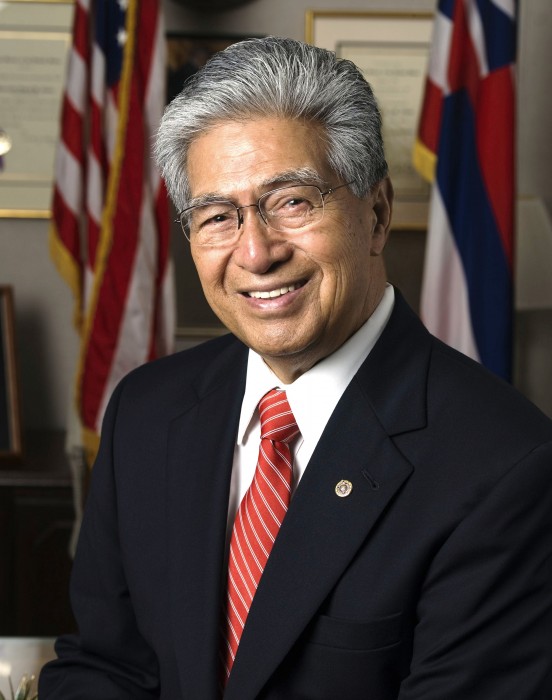 Consistent with the Apology Resolution, Senator Akaka attempted five times since 2000 to have the Senate pass a bill that would provide for federal recognition of tribal status for Native Hawaiians. On February 4, 2009, he reintroduced Senate Bill 381 for the sixth time, known as the Akaka Bill, to the 111th Congress. According to Akaka, the bill’s purpose is to provide “a process within the framework of Federal law for the Native Hawaiian people to exercise their inherent rights as a distinct aboriginal, indigenous, native community to reorganize a Native Hawaiian government for the purpose of giving expression to their rights as native people to self-determination and self-governance.”
According to Professor Rupert Emerson, an international law scholar, in his article Self-Determination, American Journal of International Law (1971), p. 463, there are two major periods when the international community accepted self-determination as an operative right or principle. President Woodrow Wilson and others first applied the principle to nations directly affected by the “defeat or collapse of the German, Russian, Austro-Hungarian and Turkish land empires” after the First World War. The second period took place after the Second World War and the United Nations’ focus on disintegrating overseas empires of its member states, “which had remained effectively untouched in the round of Wilsonian self-determination.”
These territories have come to be known as Mandate, Trust, and Article 73(e) territories under the United Nations Charter. Because Native Hawaiians were erroneously categorized as a stateless people, the principle of self-determination would underlie the development of legislation such as the Akaka bill.
In 2011, the State of Hawai‘i enacted their version of the Akaka Bill that established a Native Hawaiian Roll Commission called Act 195, which provided “Native Hawaiians as the only indigenous, aboriginal, maoli population of Hawai‘i.” Act 195 also committed the State of Hawai‘i “to support the continuing development of a reorganized Native Hawaiian governing entity and, ultimately, the federal recognition of Native Hawaiians.” The Roll Commission will “determine eligible individuals that with to participate in the process of reorganizing a Native Hawaiian government for the purposes of Native-Hawaiian self-governance recognized by the State of Hawai‘i. Act 195 also expresses the State’s desire to support federal government recognition of a Native Hawaiian government.” Act 195 also provides that OHA will house the Commission and is responsible for it’s funding. The text of Act 195 is replete with inaccuracies and admissions to violations of the law of occupation.
The identification of Native Hawaiians as an indigenous people with a right to self-determination relies upon the U.S. National Security Council’s position on indigenous peoples. On January 18, 2001, the Council made known its position to its delegations assigned to the “U.N. Commission on Human Rights,” the “Commission’s Working Group on the United Nations (UN) Draft Declaration on Indigenous Rights,” and to the “Organization of American States (OAS) Working Group to Prepare the Proposed American Declaration on the Rights of Indigenous Populations.” The Council directed these delegates to “read a prepared statement that expresses the U.S. understanding of the term internal ‘self-determination’ and indicates that it does not include a right of independence or permanent sovereignty over natural resources.”
The Council also directed these delegates to support the use of the term internal self-determination in both the U.N. and O.A.S. declarations on indigenous rights, and definedIndigenous Peoples as having “a right of internal self-determination.” By virtue of that right, “they may negotiate their political status within the framework of the existing nation-state and are free to pursue their economic, social, and cultural development. This resolution sought to constrain the growing political movement of indigenous peoples “who aspire to rule their territorial homeland, or who claim the right to independent statehood under the doctrine of self-determination of peoples.”
The sovereignty movement and Kana‘iolowalu falsely maintains that aboriginal Hawaiians have a right to self-determination, which implies that aboriginal Hawaiians were never nationals of a sovereign and independent State. Self-determination also implies that aboriginal Hawaiians are an ethnic group residing within the United States of America. Hawaiian history cannot support this position. Aboriginal Hawaiians are the majority of the population of Hawaiian subjects who have been subjected to Americanization and indoctrination. As an occupied State under an illegal and prolonged occupation, the proper framework to understand Hawai‘i’s unique situation is through international law and the laws of occupation and not through the laws of the United States, and, by extension, the laws of the State of Hawai‘i. In this way, Hawai‘i’s vibrant political and legal history is not only embraced, but is honored and respected.
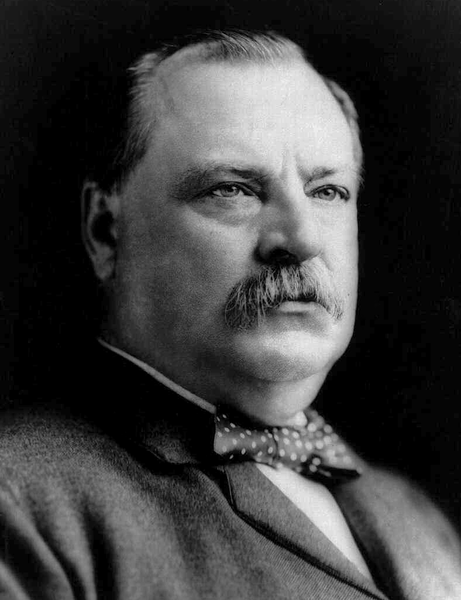 After investigating the illegal overthrow of the Hawaiian Kingdom government by United States forces on January 17, 1893, President Cleveland notified the Congress on December 18, 1893, “When our Minister [diplomat] recognized the provisional government the only basis upon which it rested was the fact that the Committee of Safety had in the manner above stated declared it to exist. It was neither a government de facto nor de jure (p. 453).”
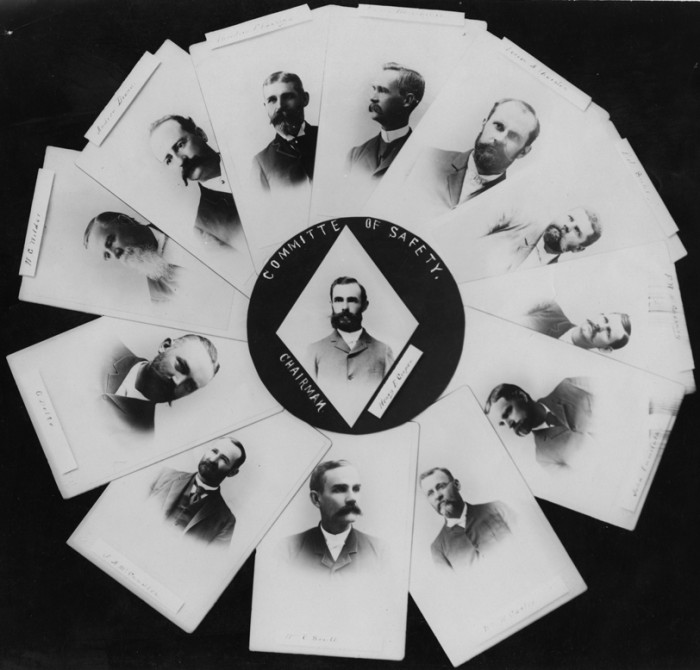
The Committee of Safety was a group of thirteen insurgents that sought the protection of United States troops from the American diplomat, John Stevens, assigned to the Hawaiian Kingdom when they would declare themselves to be a provisional government. The insurgents sought protection from being apprehended for the crime of treason by law enforcement of the Hawaiian Kingdom. As soon as the Committee of Safety declared themselves to be the provisional government of the Hawaiian Kingdom, the American diplomat extended de facto recognition. De facto is a government “in fact” where it is in complete control of all governmental machinery, while de jure is a government “in law” established through the normal course of a country’s legal system. Cleveland concluded, “the Government of the Queen…was undisputed and was both the de facto and the de jure government (p. 451).” He explained to the Congress,
“That it was not in such possession of the Government property and agencies as entitled it to recognition… Nevertheless, this wrongful recognition by our Minister placed the Government of the Queen in a position of most perilous perplexity. On the one hand she had possession of the palace, of the barracks, and of the police station, and had at her command at least five hundred fully armed men and several pieces of artillery. Indeed, the whole military force of her kingdom was on her side and at her disposal, while the Committee of Safety, by actual search, had discovered that there were but very few arms in Honolulu that were not in the service of the Government. In this state of things if the Queen could have dealt with the insurgents alone her course would have been plain and the result unmistakable. But the United States had allied itself with her enemies, had recognized them as the true Government of Hawaii, and had put her and her adherents in the position of opposition against lawful authority. She knew that she could not withstand the power of the United States, but she believed that she might safely trust to its justice. Accordingly, some hours after the recognition of the provisional government by the United States Minister, the palace, the barracks, and the police station, with all the military resources of the country, were delivered up by the Queen upon the representation made to her that her cause would thereafter be reviewed at Washington, and while protesting that she surrendered to the superior force of the United States, whose Minister had caused United States troops to be landed at Honolulu and declared that he would support the provisional government, and that she yielded her authority to prevent collision of armed forces and loss of life and only until such time as the United States, upon the facts being presented to it, should undo the action of its representative and reinstate her in the authority she claimed as the constitutional sovereign of the Hawaiian Islands (p. 453).”
The investigation concluded that the United States unlawfully intervened in the internal affairs of the Hawaiian Kingdom, and that its diplomat and troops were directly responsible for the illegal overthrow of the Hawaiian government. Secretary of State Walter Gresham recommended to President Cleveland that the Hawaiian government must be restored and compensation provided. This prompted executive mediation between U.S. diplomat Albert Willis and Queen Lili‘uokalani in Honolulu to settle the dispute and by exchange of notes an executive agreement, called the “Agreement of Restoration,” was concluded whereby the President committed to the restoration of the Hawaiian government and the Queen, thereafter, to grant amnesty to the insurgents.
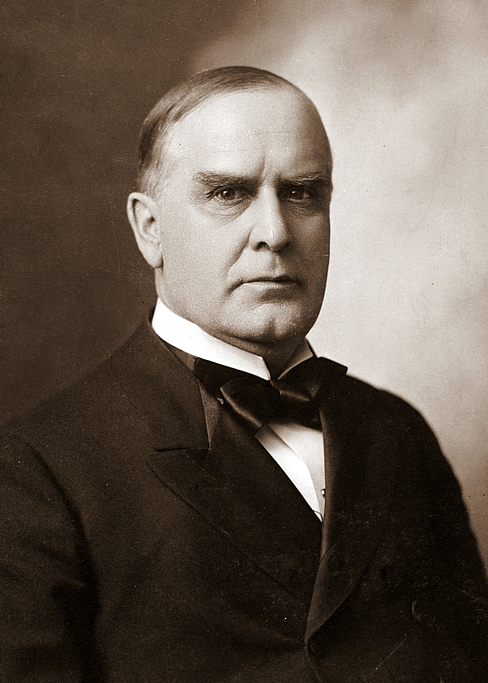 The President, however, did not carry out the international agreements because of political wrangling in the Congress, and the insurgents renamed themselves the Republic of Hawai‘i. President Cleveland’s successor, William McKinley, after failing to acquire Hawai‘i by a treaty of cession, signed a Congressional joint resolution of annexation into United States law on July 7, 1898, and unilaterally seized the Hawaiian Islands during the Spanish-American War on August 12, 1898, which began an illegal and prolonged occupation.
The Hawaiian Kingdom had completely adopted the separation of powers doctrine since 1864 and the government separated into three branches: executive, legislative and judicial. Here is what the government would have looked like if restoration took place according to the executive agreements, as provided by Thrum’s Hawaiian Annual for the year 1893.
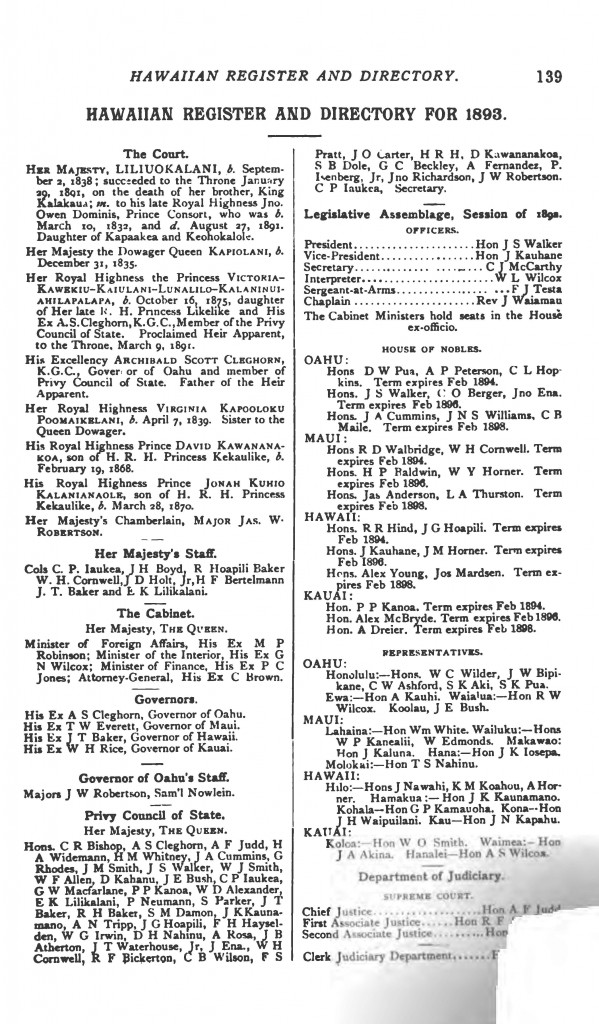
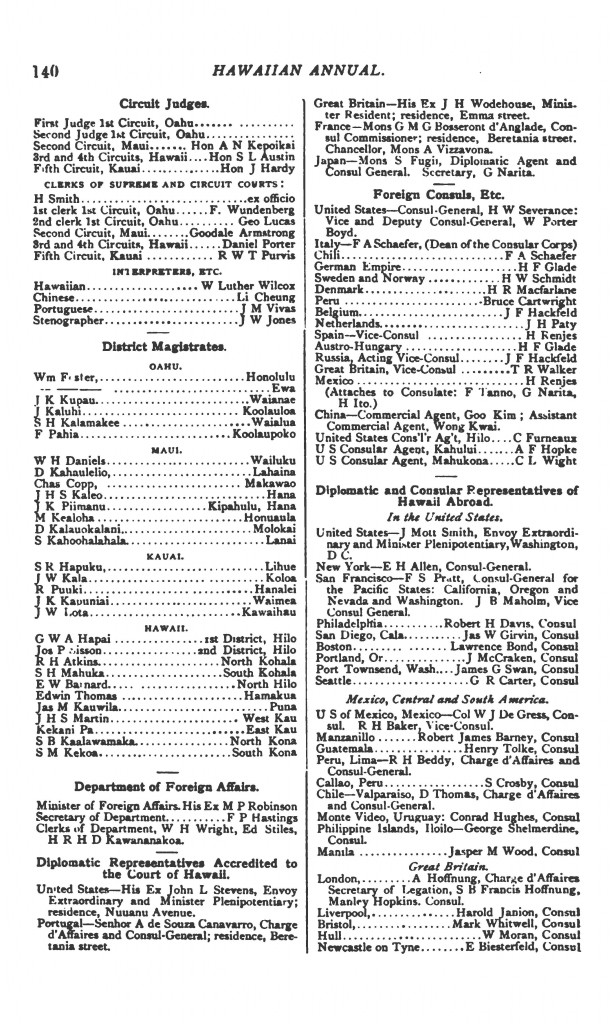
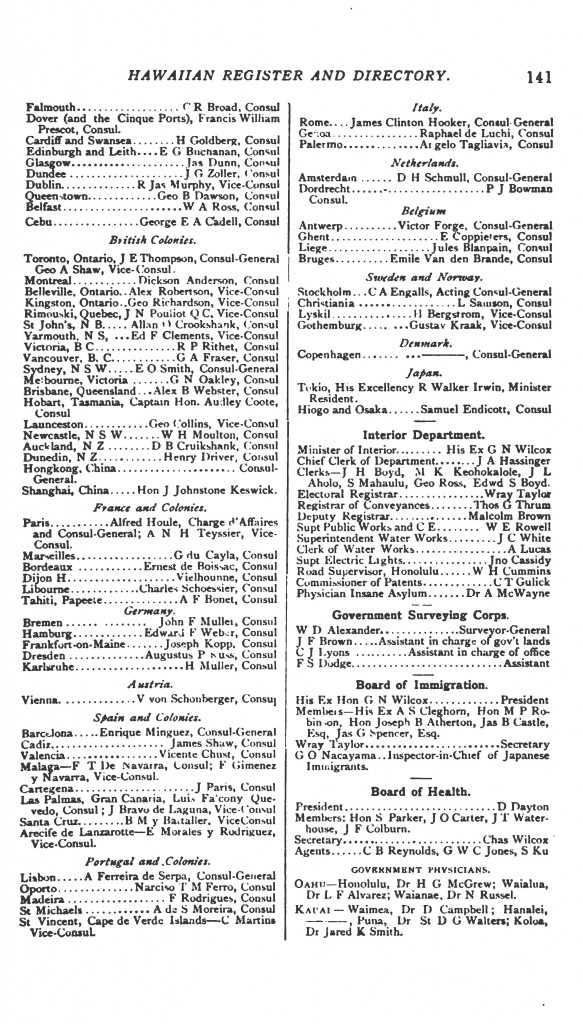
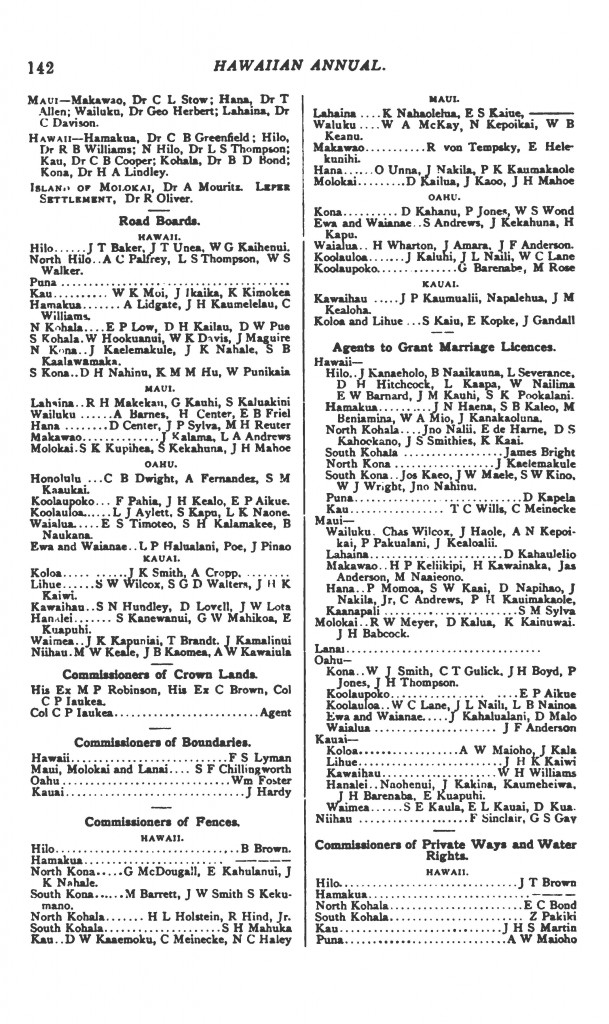
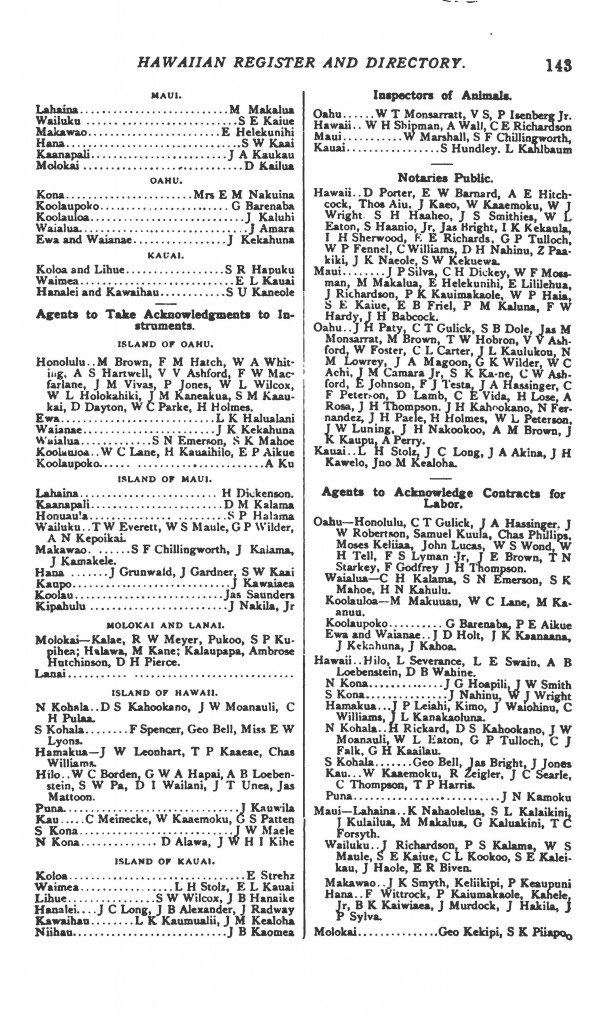
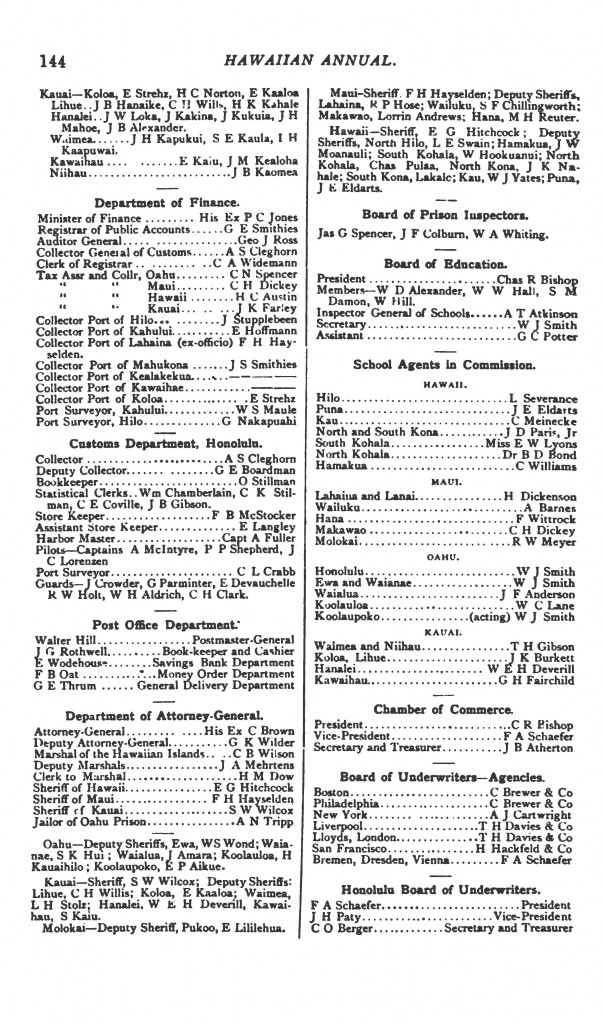
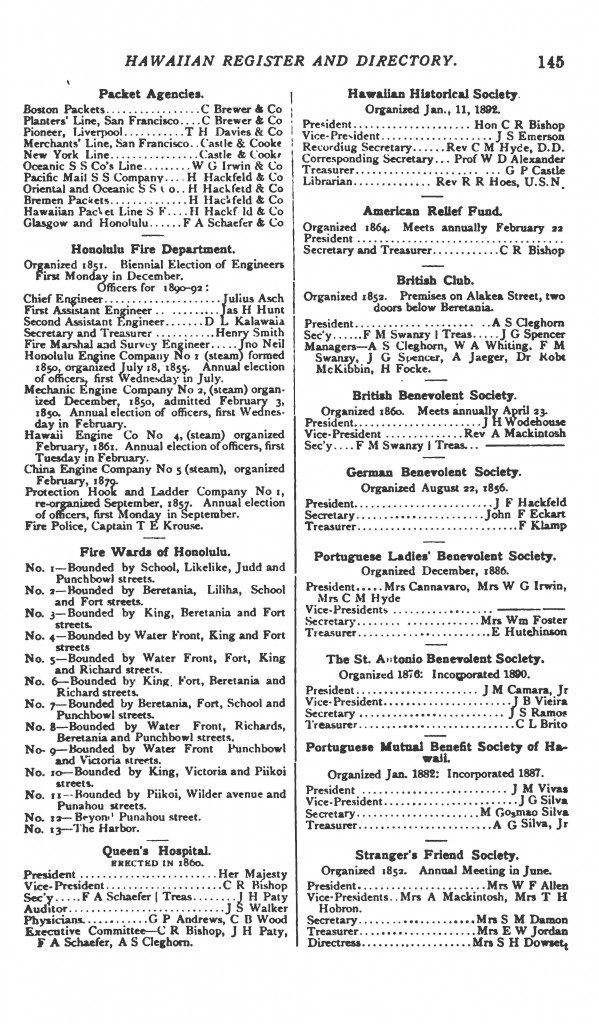
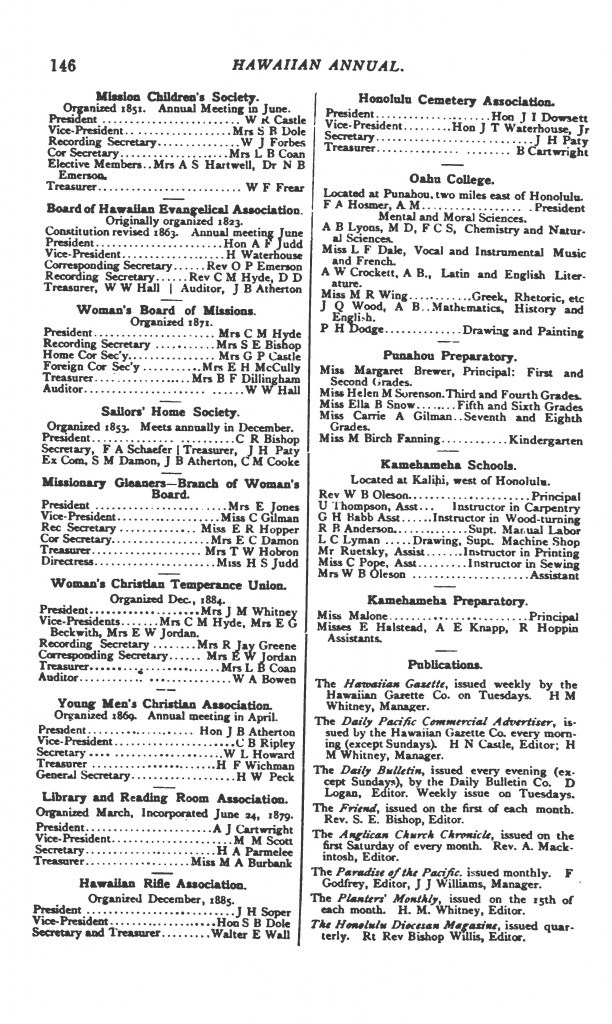
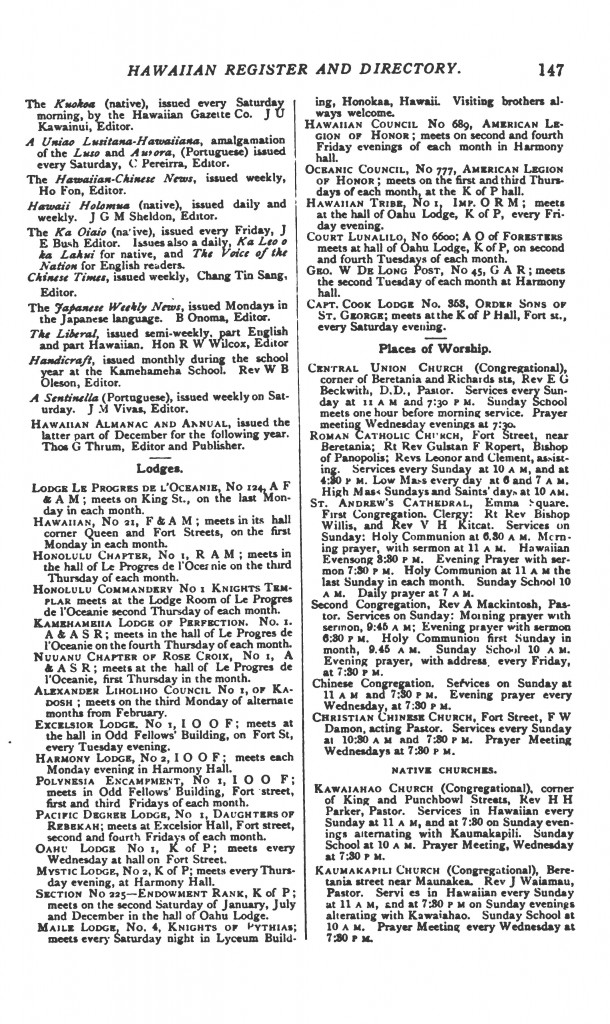
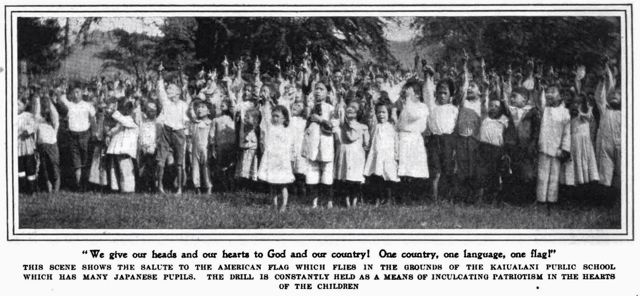
In 1900, President McKinley signed into United States law An Act To provide a government for the Territory of Hawai‘i, and transformed the so-called Republic of Hawai‘i into the Territory of Hawai‘i. After which the United States intentionally sought to “Americanize” the inhabitants of the Hawaiian Kingdom politically, culturally, socially, and economically. To accomplish this, a plan was instituted in 1906 by the Territorial government, titled “Program for Patriotic Exercises in the Public Schools, Adopted by the Department of Public Instruction,” whose purpose was to denationalize the children of the Hawaiian Islands through the public schools on a massive scale.
Nearly 50 years later where denationalization was nearly complete, steps were taken to transform the government of the Territory of Hawai‘i into the State of Hawai‘i. President Eisenhower signed into United States law An Act To provide for the admission of the State of Hawai‘i into the Union on March 18, 1959. These laws, which have no effect beyond United States territory, stand in direct violation of treaties between the Hawaiian Kingdom and the United States, the 1907 Hague Convention, IV, and the Geneva Convention Relative to the Protection of Civilian Persons in Time of War, IV.
For the United States to have secured such a stronghold in the Hawaiian Islands as a governing body in a relatively short span of time was dependent upon the seizure of an already existing governmental infrastructure. The way in which thirteen insurgents calling themselves the Committee of Safety could take over the entire Hawaiian government on January 17, 1893, was by merely replacing the Queen as the chief executive and forcing everyone in the executive and judicial branches of government to sign oaths of allegiance while the U.S. troops provided oversight through intimidation and firepower. And when the U.S. troops were ordered to leave Hawai‘i on April 1, 1893, mercenaries replaced them until 1898 when U.S. troops returned to the islands.
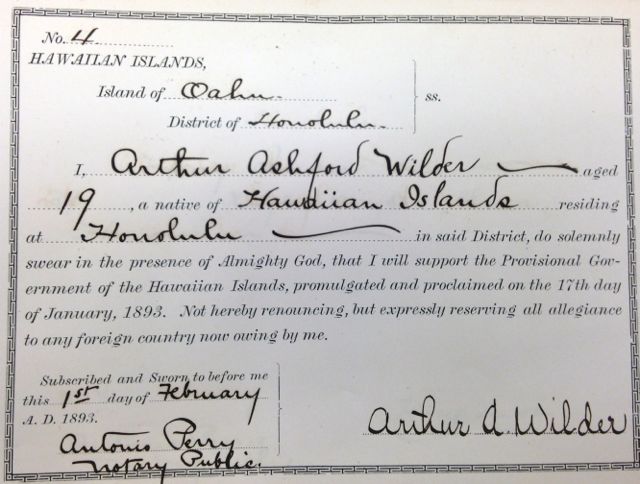
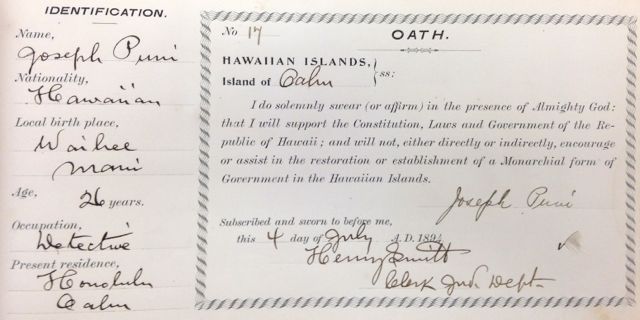
A common misunderstanding is that the United States created the governmental infrastructure we have today through Congressional legislation such as the 1900 Organic Act that created the Territory of Hawai‘i, and the 1959 Admission Act that created the State of Hawai‘i. This is false. All that took place was the change in names and a few added agencies. The government of the State of Hawai‘i was formerly known as the government of the Territory of Hawai‘i. The government of the Territory of Hawai‘i was formerly known as the Republic of Hawai‘i. The government of the Republic of Hawai‘i was formerly known as the provisional government. And the government of the provisional government was formerly known as the Hawaiian Kingdom. The governmental infrastructure we see today was already in place in 1893.
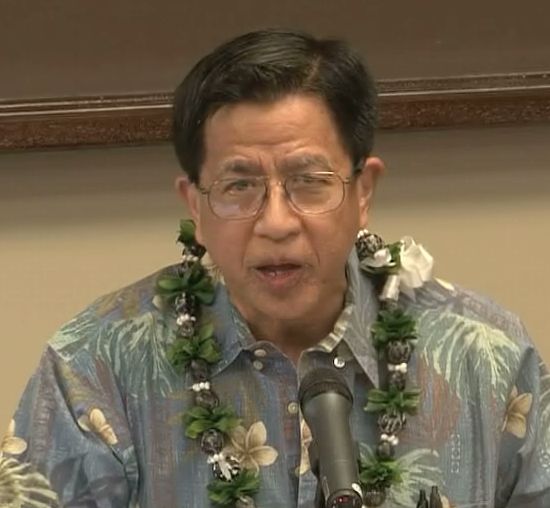 In a presentation at the University of Hawai‘i Richardson School of Law on April 17, 2014, senior Law Professor Williamson Chang stated, “The power of the United States, over the Hawaiian islands, and the jurisdiction of the United States in the State of Hawai‘i, by its own admissions, by its own laws, doesn’t exist. And so that means that ever since the 1898 annexation of Hawai‘i, by a Joint Resolution, they say, we have been living a myth.” “A joint resolution, as an act of Congress, cannot acquire another country,” he said. “If Congress cannot, by Joint Resolution in 1898, acquire Hawai‘i unilaterally, it cannot do so in 1959,” Chang said.
Because the United States Congress has no authority beyond the territory of the United States, the State of Hawai‘i cannot claim that it is a government duly authorized under a Congressional Act to govern the Hawaiian Islands. And as a direct successor of an insurgency that was unlawfully installed by the United States diplomat and troops on January 17, 1893, it too is neither a government de facto nor de jure. This means that actions that were understood to be governance are now interpreted as actions taken by individuals pretending to be a government. The law of occupation interprets these actions as war crimes: e.g. taxation is now interpreted as the crime of pillaging and theft; civil and criminal trials done by a court not properly constituted is now interpreted as the crime of depriving a person of a fair and regular trial; and to pursue federal recognition of Native Hawaiians as a tribe is interpreted as the crime of denationalization.
With this backdrop, Professor Chang warned the audience at the Law School, “I’m going to make one big point. …Its like a hand grenade, I’m going to give you the pin to the hand grenade, you pull the pin and everything blows up. So don’t pull the pin.”
The only way for the State of Hawai‘i to remedy this situation is to begin to comply with the laws of occupation, and by the doctrine of necessity, begin to act as a United States military government administering the laws of the Hawaiian Kingdom and the laws of occupation. This is a very complex situation and it should not be taken lightly. Dr. Keanu Sai was retained by the Office of Hawaiian Affairs CEO Dr. Kamana‘opono Crabbe to draft a memorandum and analysis of public international law and its effect on OHA and to provide recommendations in light of the alleged violations of international law and alleged war crimes. Dr. Crabbe provided all nine trustees a copy of Dr. Sai’s memorandum last week Friday.
Anecdotally—in 1893, the Hawaiian Porsche was carjacked by the United States and painted red, white and blue. Although we have not been driving the Porsche for the past 121 years and were brainwashed to believe it was not a Hawaiian car, it doesn’t mean the Porsche belongs to the United States. The fact that this history, which only spans two generations, is not common knowledge is the evidence of denationalization and the violation of Hawaiian sovereignty.
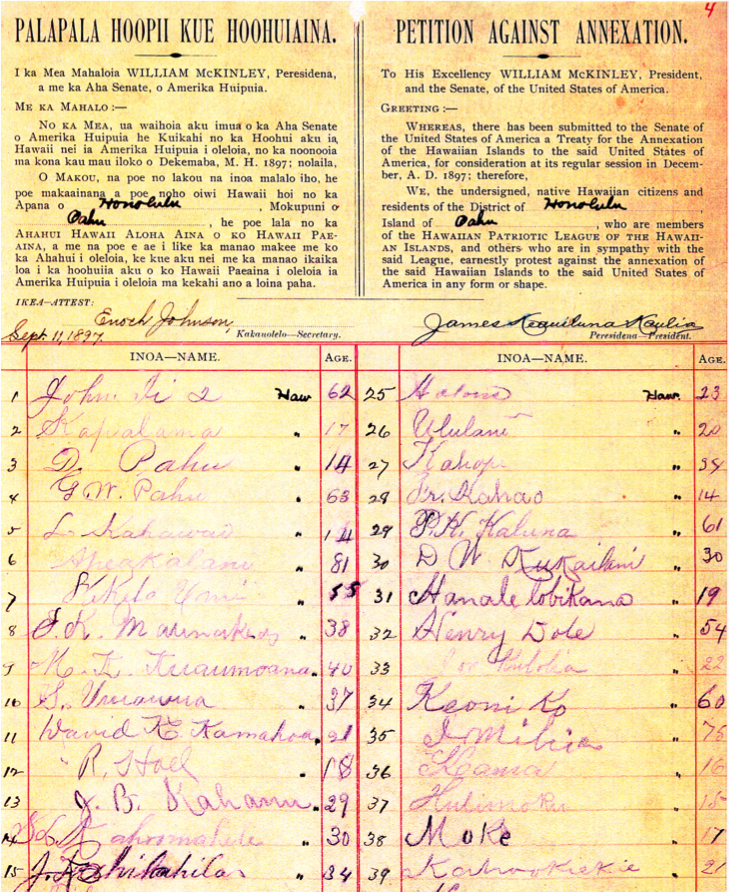
To download the entire signature petition click here.
There was a total of 21,269 signatures with 21,109 signatures of Hawaiian subjects and 160 signatures of resident aliens.
University of Hawai‘i Libraries Special Collection – The 1897 Petitions Protesting Annexation by Professor Noenoe K. Silva
When William McKinley won the presidential election in November of 1896, the question of Hawaii’s annexation to the U.S. was again opened. The previous president, Grover Cleveland, was a friend of Queen Liliuokalani. He had remained opposed to annexation until the end of his term, but McKinley was open to persuasion by U. S. expansionists and by annexationists from Hawaii. He agreed to meet with a committee of annexationists from Hawaii, Lorrin Thurston, Francis Hatch and William Kinney. After negotiations, in June of 1897, McKinley signed a treaty of annexation with these representatives of the Republic of Hawaii. The President then submitted the treaty to the U. S. Senate for approval.
The Hui Aloha Aina for Women, the Hui Aloha Aina for Men, and the Hui Kalaiaina formed a coalition to oppose the treaty. Together, these three organizations represented a majority of the Kanaka Maoli (Native Hawaiians). Hui Kalaiaina had originally been formed after the Bayonet Constitution of 1887 as a vehicle for Kanaka Maoli political power. The two Hui Aloha Aina organizations were founded just after the overthrow of the Native government in 1893, expressly to support the Queen and to oppose U.S. annexation.
The Kanaka Maoli believed that the American government was committed to their stated principles of justice and of government of the people, by the people, and for the people. They believed that once the U.S. President and members of Congress saw that the great majority of Hawaiian citizens opposed the annexation, the principles of fairness would prevail, that is, their Native government would be restored. The three huis therefore began to organize mass petition drives The heading on Hui Aloha Aina’s petition read: PALAPALA HOOPII KUE HOOHUI AINA, Petition Protesting Annexation
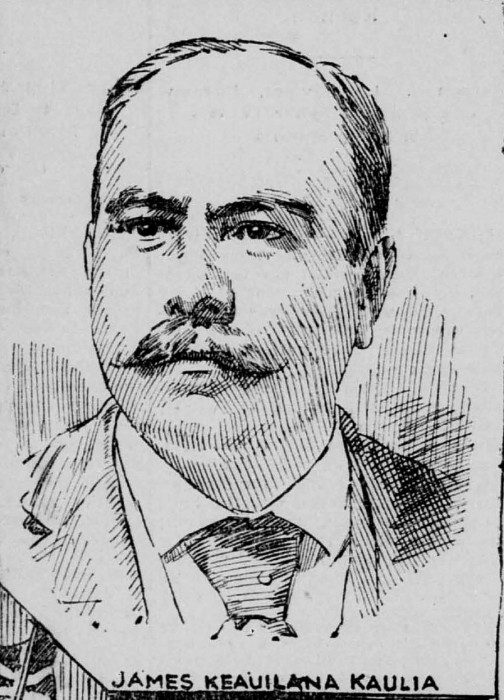 On September 6, 1897, the Hui Aloha Aina held a halawai makaainana – a mass meeting – , at Palace Square, which thousands of poe aloha aina – patriots – attended. President James Kaulia gave a rousing speech, saying “We, the nation (lahui) will never consent to the annexation of our lands, until the very last patriot lives.” He said agreeing to annexation was like agreeing to be buried alive. He predicted that annexation would open the door for many foreigners to come here, and to take jobs and resources away from the Native people. He asked, “Then where will we live?” The crowd answered, “In the mountains,” which figuratively means, “we shall be homeless.” He asserted that a mass refusal by the people could prevent the annexation: “If the nation remains steadfast in its protest of annexation, the Senate can continue to strive until the rock walls of Iolani Palace crumble, and never will Hawaii be annexed to America!” The annexationist newspapers had published threats that the leaders of the mass meeting would be arrested for treason, but Mr. Kaulia assured the people that their assembly was legal. He said that it was because the brains of the government could not push over the brains of the Kanaka Maoli that the government had to resort to weapons of war. (At this time, Hawaii was ruled by a haole – European- American – oligarchy called the Republic of Hawaii that had deprived the Native people of political participation.) He said, “Let us take up the honorable field of struggle, brain against brain.” He told the people, “Do not be afraid, be steadfast in aloha for your land and be united in thought. Protest forever the annexation of Hawaii until the very last aloha aina [lives]!” The crowd cheered.
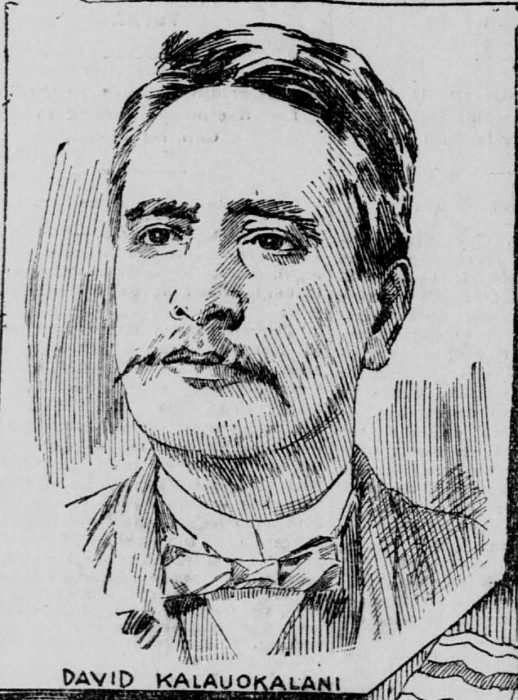 Following Kaulia, David Kalauokalani, President of the Hui Kalaiaina, explained the details of the annexation treaty to the crowd. He told them that the Republic of Hawaii had agreed to give full government authority over to the United States, reserving nothing. It would also give all the government’s money, the government and crown lands, government buildings, harbors, bays, military forts, military armaments and warships, and all resources claimed by the government of the Hawaiian Islands. Furthermore, he explained, the laws of the United States would not extend to the Hawaiian Islands, but the Congress of the U.S. would decide how Hawaii was to be governed. It was uncertain whether the Kanaka Maoli would have the right to vote. He said those who favored annexation would want to deny Kanaka Maoli voting rights because, from the very beginning, they have known that the Kanaka Maoli would overwhelmingly vote against annexation and anyone who supported it. This is the reason they were always afraid to put a vote to the people.
A resolution protesting the annexation was read to the crowd, who approved it. It was announced that U.S. Senator Morgan, an advocate of annexation, would be arriving soon, and that there would be another mass meeting held while he was here.
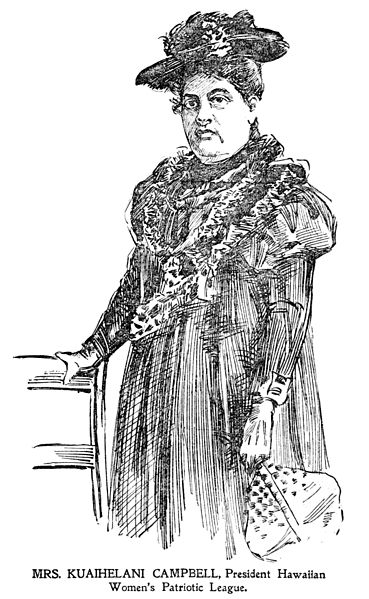
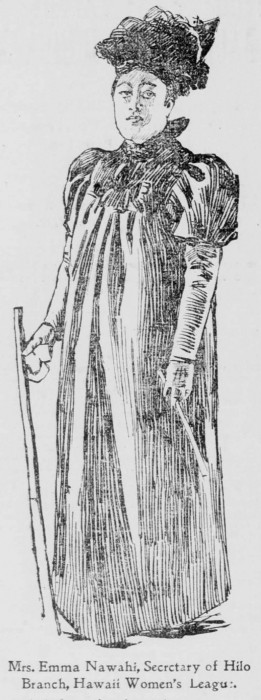 The petition drive started at about this time. Very soon afterwards, Mrs. Abigail Kuaihelani Campbell, President of the Women’s branch of the Hui Aloha Aina, and Mrs. Emma Aima Nawahi boarded the inter-island ship the Kinau for Hilo on a signature gathering mission.
On September 14, Senator Morgan and four congressmen from the U.S. indeed arrived. On the same day, Mr. Enoch Johnson and Mr. Simon Peter Kanoa boarded the Claudine for Maui, and Mrs. Kaikioewa Ulukou departed for Kauai – all bound to gather signatures on those islands. The Hui Aloha Aina paid all of their expenses.
At the same time, there was a branch of the Hui Aloha Aina active at Kalaupapa (on the island of Molokai) where people with leprosy were imprisoned. The President of the Kalaupapa branch was Mr. Robert M. Kaaoao, who not only gathered signatures on the protest petitions, but had also organized a full day’s activities to commemorate the Queen’s birthday on September 2. The activities included a prayer service; boating, swimming, running, horse, and donkey races; as well as pole climbing and apple eating contests.
When Mrs. Campbell and Mrs. Nawahi arrived in Hilo harbor, they were greeted with honors. A delegation of the Hilo chapter of the Hui, consisting of Mr. Henry West, Mrs. Hattie Nailima, Mrs. Kekona Pilipo, and Mrs. J.A. Akamu met them at the harbor. The Hilo delegation showered them with leis, and proclaimed that a Hawaiian double-hulled canoe would carry them into the harbor. They had decorated five seats on the beautiful vessel with leis of maile, lehua, and other flowers, and had a Hawaiian flag waving at the back. The people of Laupahoehoe had sent welcome gifts of opihi, limu, and fish. Mrs. Campbell and Mrs. Nawahi attended meetings of the Hui Aloha Aina all over the Hilo and Puna area, and returned with thousands of signatures.
Meanwhile Mrs. Laura Mahelona was working hard in Kona and Kau; she was the committee member delegated to gather signatures there of both men and women. She traveled from North Kona south to Kau, leaving blank petitions with instructions everywhere she went. She told the chapter presidents to get the petitions signed and return them in a few days when her ship would stop again at the same harbors. When she returned, signed petitions were ready at every harbor. When she landed at each port, she was welcomed by the women of the Hui Aloha Aina branches, carrying leis over their arms, and when she returned to the boat, her clothes couldn’t be seen because she was completely covered by leis. Mrs. Mahelona gathered 4,216 signatures.
Mrs. Kaikioewa Ulukou gathered 2,375 on the island of Kauai.
Mr. Simon P. Kanoa gathered 1,944 in the district of Hana, Maui.
When all the work was done, there were over 21,000 signatures- men’s and women’s in about equal numbers. When one considers that the population of Native Hawaiians at the time was less than 40,000, this is an impressive number.
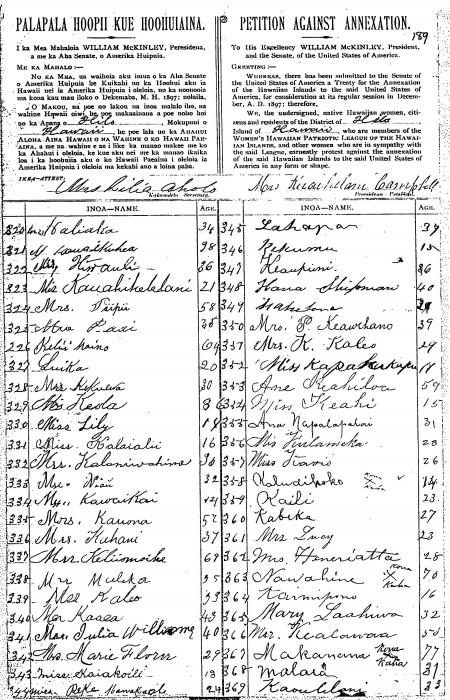
The Hui Kalaiaina also had a substantial membership- -they conducted their own petition drive at the same time, collecting about 17,000 signatures.
The Hui Aloha Aina held another mass meeting on October 8, 1897, and at that time decided to send delegates to Washington D.C. to present the petitions to President McKinley and to the Congress.
The executive committees of the three hui met and decided to send four delegates: James Kaulia of Hui Aloha Aina, David Kalauokalani of Hui Kalaiaina, with John Richardson, and with William Auld as secretary. All four were Kanaka Maoli. This was an important sign to the nation. Some people had written in the papers that previous delegates to Washington had failed because they were not Kanaka Maoli, or because they were too wealthy to truly have the nation’s well-being in mind at all times. It is important to note that although a women’s representative did not travel to Washington, Mrs. Campbell, President of the women’s branch of Hui Aloha Aina, was part of the decision-making committee, and was viewed as a leader of the nation along with the men.
The four Elele Lahui – National Delegates – left Hawaii on November 20, 1897. In San Francisco on November 28, they commemorated La Kuokoa – Hawaiian Independence Day.
They arrived in Washington on December 6, the day that the Senate opened. They first met briefly with Queen Liliuokalani, who was staying in Washington. Then they met Senator Richard Pettigrew who took them in to the Senate’s opening ceremonies. After the ceremonies, they returned to Ebbitt House where the Queen was staying, and where they would also stay. Someone told them at that time that their trip to Washington was useless, since it was known that there 58 votes on the side of annexation, with only 2 more votes needed for the treaty to pass. They said they didn’t answer but remained as quiet as doves. They spoke amongst themselves later, however, to plan what to do.
The next day, December 7, they met again with the Queen to consider how to present the petitions. They chose the Queen as chair of their Washington committee. Together, they decided to present the petitions of Hui Aloha Aina only, because the substance of the two sets of petitions was different. Hui Aloha Aina’s was called “petition protesting annexation,” but the Hui Kalaiaina’s petitions called for the monarchy to be restored. They agreed that they did not want to appear divided, as if they had different goals.
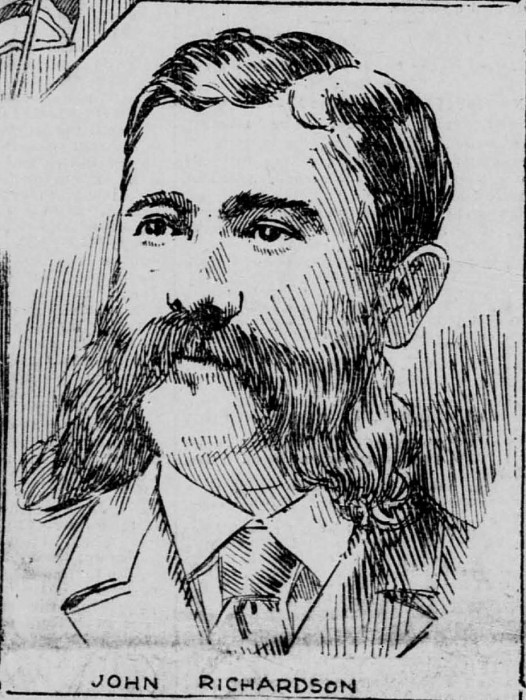 The day after that, the delegates met with Senator Hoar, who was against annexation. They braved snow, cold and slippery streets to get to the Senator’s residence. They said the “elemakule” (old man) greeted them with a handshake. He asked them what the people of Hawaii thought about annexation. John Richardson, the spokesman, explained everything. While he was explaining, they could see tears welling up in the old man’s eyes. Richardson told him that they brought petitions signed by the whole nation protesting the annexation. Senator Hoar told them to submit the petitions to him, and he would bring them before the Senate, and then to the Foreign Relations Committee. David Kalauokalani of Hui Kalaiaina also submitted his endorsement of those petitions (so that the U.S. would know both huis had the same goal). On December 9, Senator Hoar read the text of the petitions to the Senate and had them formally accepted. The delegates were present, seated in the area where people are allowed to observe the Senate proceedings.
On December 10, the delegates met with Secretary of State John Sherman, and Kalauokalani submitted a memorial protesting annexation (Ka Memoriala a ka Lahui) to him.
In the following days, the delegates met with many different Senators and Congressmen. Senators Pettigrew and White encouraged them in the hope that the annexation treaty would be defeated. They said that they were asked a lot of questions about Japan or England trying to annex Hawaii. They answered that either of them could have taken Hawaii if they had wanted to any time in the past five years. Why would they wait for America to try before they did so? They also reminded the U.S. Congressmen that Hawaii had remained independent for fifty years, partly because of the 1843 resolution signed by Great Britain and France guaranteeing Hawaii’s independence.
By the time they left Washington on February 27, there were only 46 votes in the Senate on the pro-annexation side, down from 58 when they had arrived. Forty-six votes was far too few for the treaty to pass — sixty votes were necessary.
Senator Pettigrew and Senator Turpie insisted that the Kanaka Maoli of Hawaii be given a chance to vote on annexation. But Senator Morgan and the other pro-annexation Senators knew that if a vote were taken, it would be overwhelmingly in favor of Hawaii’s independence. In a report, these Senators wrote, “If a requirement should be made by the United States of a plebiscite [vote] to determine the question of annexation, it would work a revolution in Hawaii which would abolish its constitution.” They knew, in other words, that if the people were allowed to vote, not only would they reject annexation, they would also reject the haole Republic that had been forced upon them against their will.
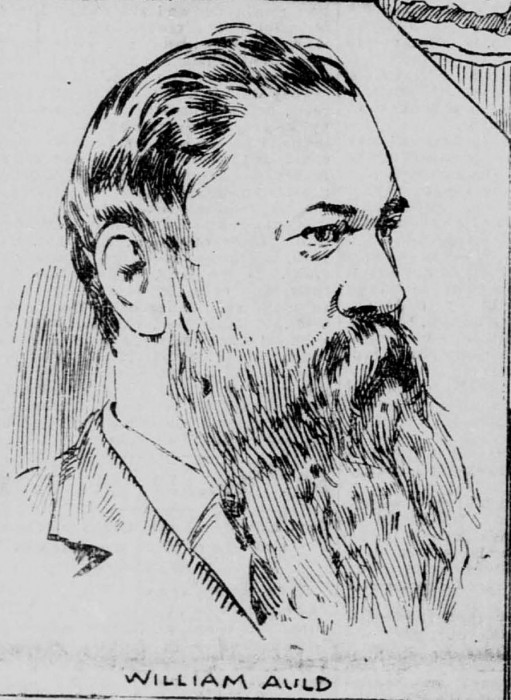 Three of the delegates, James Kaulia, David Kalauokalani, and William Auld returned to Honolulu victorious, sure that the treaty would fail, as indeed it did. They had carried the hard work and hopes of the whole nation to Washington in the form of the protest petitions. They had succeeded in persuading many senators to vote against the treaty. They left behind John Richardson to continue the work, along with Queen Liliuokalani, her secretary Joseph Heleluhe, and her devoted friend, J.O. Carter.
One annexation crisis was over, but another was soon to follow. This same year, the peoples of Cuba and the Philippines were fighting wars of independence against Spain. The United States also declared war on Spain after the U.S. warship, the Maine was blown up in a harbor in Cuba. The reason that the Maine was even in Cuba is questionable, since the U.S. had not been involved until it involved itself by sending the ship there. Be that as it may, the United States was at war. Suddenly, the empire- builders of the United States were saying that they needed to send military troops on ships to the Philippines to fight Spain. For this, they said they needed Hawaii. In the midst of the fever of war, a Joint Resolution of Congress called the Newlands Resolution passed by a simple majority of each house, making Hawaii a territory of the United States. That was in July of 1898; the flag of the United States was hoisted over Hawaii on August 12th.
The Kanaka Maoli continued to protest. The Hui Kalaiaina concentrated on persevering to undo the annexation, and restore the Native government. Hui Aloha Aina began to work towards securing full civil and political rights for Hawaiian citizens in the U.S. territorial system. In 1900, the two huis banded together as one political organization called the Home Rule Party. David Kalauokalani was elected President, and James Kaulia as Vice-President. This was the party that elected Robert Kalanihiapo Wilcox as (non-voting) Delegate to the U.S. Congress.
James Keauiluna Kaulia continued his work for his nation until the day of his death at age 41, in 1902. On that Sunday, he spent the morning at the jail house trying to help prisoners assert their rights. After church and lunch, he lay down for a nap from which he never woke up. He died of heart failure.
David Kalauokalani lived until 1915, also serving his people all of his life. He served as a senator in the territorial legislature, and as a member of the Board of Health. His son, also named David, became the first clerk of the City and County of Honolulu.
Mrs. Kuaihelani Campbell served as President of Hui Aloha Aina for its entire existence. She later became well-known as a benefactor for the ill and poor among her people, and for her many charitable deeds. She married Samuel Parker in 1902. Her daughter Abigail married Prince David Kawananakoa at about the same time, and Mrs. Campbell-Parker thereby became an ancestor to the royal family remaining in Hawaii today. She passed away in 1908.
Mrs. Emma Aima Nawahi kept the newspaper Ke Aloha Aina running for many years as its owner and business manager. She sold it in 1910. She also remained active in charities until her death in 1935.
The petitions protesting annexation, consisting of five hundred fifty-six pages, are now held in the National Archives in Washington D.C.
The Kanaka Maoli continue to protest today. We have never relinquished our national sovereignty. Kanaka Maoli are working on state, national, and international levels to have our existence as a nation recognized. Kanaka Maoli also continue to resist and protest every encroachment upon our inherent rights to this land, our ocean and fresh waters, and all the other natural resources of Hawaii. We are insisting as well on our rights to keep our language and cultural traditions, and the land itself, alive.

Australia Network News reports: “The CEO of the Hawaiian Affairs Office (OHA) has retained his job and gained public support to challenge the US on whether the Kingdom of Hawaii still exists as a sovereign country.”
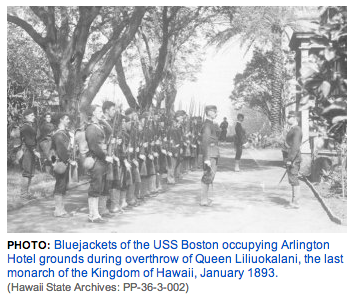 Kamanaopono Crabbe sparked an internal crisis when he sent a letter to US Secretary of State John Kerry, asking for a ruling on whether the Kingdom of Hawaii still legally exists.
The letter, which was quickly rescinded by the OHA’s trustees, was prompted by the US Government’s acknowledgment that the overthrow of the kingdom in 1893 was illegal.
Political scientist Dr Keanu Sai, from Windward Communtiy College in Honolulu, told Pacific Beat the OHA board thought Dr Crabbe had violated their policy by sending the letter without approval, but later realised they were mistaken.
“[Dr Crabbe] was not in violation of any policy of the board but rather was operating on his diligence and risk management,” Dr Sai said.
Mr Crabbe has now won the support of the OHA trustees, who have moved to send the letter again and retain him in his role as CEO.
“They’re in full support and they say that his questions definitely do have merit.”
Public support for Mr Crabbe’s campaign is also growing, with 2,500 people signing an online petition.
Dr Sai said Hawaiians need clarification on the issue.
“What was overthrown was the government, not the country,” he said.
Dr Sai blames revisionist history education for misconstruing local understanding of Hawaii’s true status.
“A revisionist history has been taught here in Hawaii since the early 1900s that presented Hawaii as if it was a part of the United States when in fact there is clear evidence that it’s not,” he said.
“We need to address this because it will affect our people but it also affects everyone.”
Dr Sai says if the Kingdom of Hawaii does indeed still exist, many historical treaties with nations including the UK and Australia would still be in effect.
International law
The US may be in violation of international law if Hawaii is still technically its own country.
The US would be guilty of appropriating funds by taxation and other related crimes, by not complying with occupation laws.
Dr Sai says within the framework of international law, there is presumed of continuity of a country when it is established.
“All that needs to be provided is evidence that Hawaii was a country (and it was, fully recognised by the United States and Great Britain and everyone else),” he said.
“It places the burden upon the United States to provide overwhelming evidence that it in fact extinguished Hawaii as an independent state under international law.
“In the absence of that evidence, the Hawaiian kingdom continues to exist.”
Hawai‘i News Now reports “Office of Hawaiian Affairs CEO to keep job.”
Hawaii News Now – KGMB and KHNL
HONOLULU (HawaiiNewsNow) – Trustees with the Office of Hawaiian Affairs met for hours behind closed doors Monday to discuss the fate of CEO Dr. Kamana’opono Crabbe. There was concern from Dr. Crabbe’s supporters, dozens of whom gathered outside the OHA boardroom, that he would be fired and the longer trustees stayed in executive session the more anxious the crowd grew. But just before 6 p.m., Dr. Crabbe and the Board of Trustees emerged united to say they were moving forward together.
Dr. Crabbe ignited an internal dispute that has since sparked a public debate after he sent an official inquiry to the state department asking for a legal opinion on whether the Kingdom of Hawaii still exists.
When OHA’s nine trustees learned of the letter — they sent a letter of their own rescinding the request. Two trustees later changed their mind and now support Dr. Crabbe’s inquiry.
“In our discussions today, the board and I do agree that there’s merit to the questions that were brought up in the letter. We have agreed to move forward with our community. I believe the board will be conducting a meeting on March 29 to hear feedback from our community regarding our nation building process. The board has agreed that we recognize the illegal overthrow of our Hawaiian Kingdom and how to best seek clarification of that status as we move forward,” said Dr. Crabbe.
Questions have been raised about whether Dr. Crabbe had the authority to request a legal written opinion without first obtaining board approval.
Several complaints have also been filed with the Office of Information Practices challenging the trustees letter to rescind Dr. Crabbe’s inquiry citing it may have violated the state’s sunshine law — which prohibits board members from voting on an action without first calling a public meeting.
Officials say all legal challenges are still under review.
Dozens of Dr. Crabbe’s supporters showed up to rally for the CEO, but their attempts to sign up for public testimony were turned down as Monday’s meeting was scheduled specifically as an “executive session” to consult with board counsel Robert Klein about Dr. Crabbe’s conduct and to discuss appropriate action.
“It was a really gut-wrenching discussion. I think we attempted to look at the overarching issues here and not to pinpoint a particular blame on one individual. I believe the message I would like to send to all our lahui is that if OHA can repair and move forward, examine our responsibilities both at the board of trustee level and at the administrative level, and see a common, unified effort to move forward, I truly believe that we will move forward with the building of our Native Hawaiian entity. That will never change,” said Chair Colette Machado.
“At the time of the discussion, we had no idea that the level of hurt was so deep that we had to take it layer by layer, and I’m so proud that we had that opportunity today with Dr. Kamana’o Crabbe in ho’oponopono and there is a unifying effort to moving forward. Once we were able to release one another from our past transgressions and all of the pilikia that may have been caused either by intention or in addition to something that came through the side door. So to me I am blessed to have had that opportunity today and then we’ll be moving forward, but looking seriously at some modifications or changes to the previous policy on building the Native Hawaiian entity,” Machado said.
OHA has decided to hold a public meeting on May 29 for community feedback on how to best move forward with nation-building.